How to Choose the Best Black French Doors?

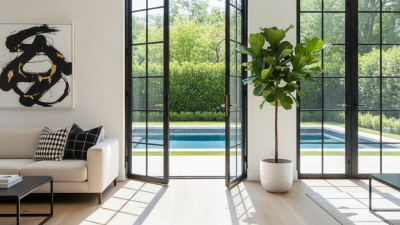
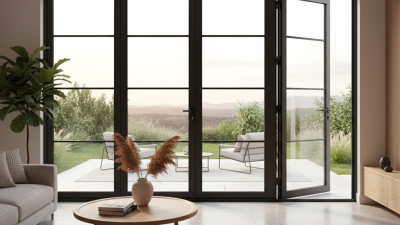
Choosing the best black French doors begins with more than appearance. Their dark frames can sharpen a pale exterior, define a dining room, or make a narrow garden entrance feel intentional. Yet beauty alone cannot guarantee performance. The right choice must suit your opening, climate, security needs, and daily routine.

Architect Ludwig Mies van der Rohe famously said, “God is in the details.” That principle matters here. Examine the frame finish closely. Powder-coated aluminum usually offers strong weather resistance, while painted timber provides warmth but needs more maintenance. Check the glazing specification, especially if the doors face harsh sunlight or busy streets. Double glazing can improve comfort, although the quality of the seals remains important. Small gaps become noticeable.

Think about movement, too. French doors need enough clearance to swing without striking furniture, planters, or railings. A low threshold may improve access, but it must still manage rainwater effectively. Ask about hinge adjustment, locking points, drainage channels, and replacement hardware. These details often reveal more than a polished showroom display.

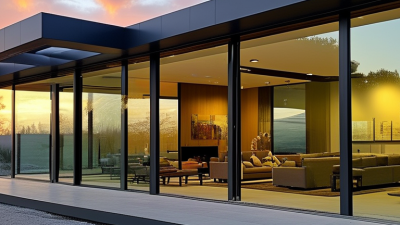
Do not overlook the surrounding wall. Black frames can look elegant against brick, stone, or warm timber, but they may appear severe in an already dark room. Samples help. View them in morning and evening light.

There is no perfect door. A dramatic finish may show dust, fingerprints, and scratches more clearly. That is not a reason to reject black French doors, but it deserves honest consideration. Measure carefully, compare verified performance data, and choose a supplier with clear warranties and installation experience. A beautiful door should also close quietly, seal reliably, and remain practical years later.
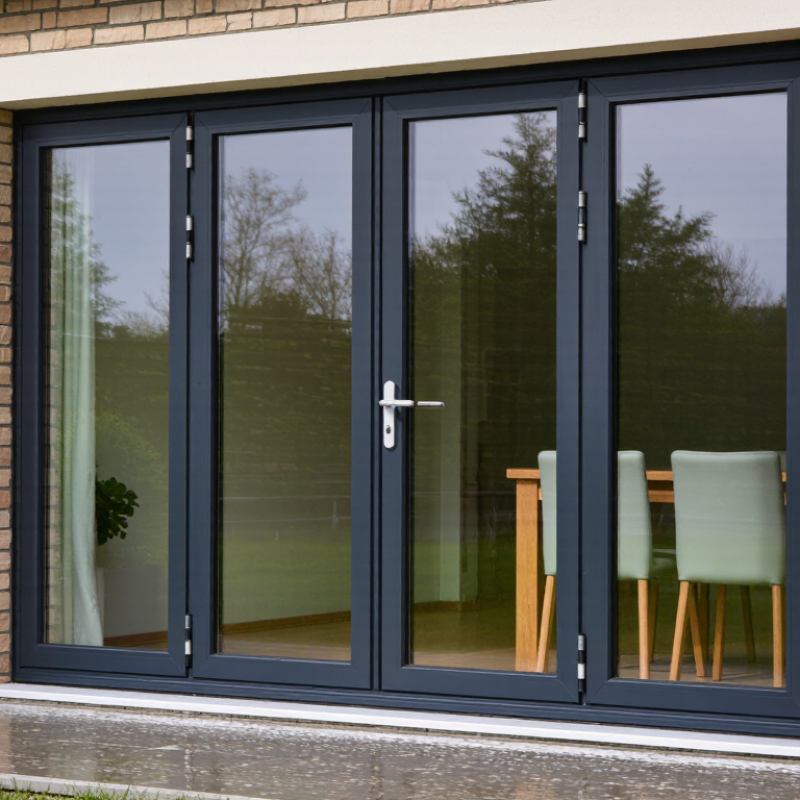
How to Choose the Best Black French Doors?

Define the Style and Functional Goals of Black French Doors

Choosing the best black French doors starts with defining their role in the room. Are they meant to frame a garden view, divide a dining area, or create privacy for a study? A clear goal prevents style from controlling every decision. Black frames can look elegant, industrial, traditional, or quietly modern. The surrounding materials decide the final effect. Warm oak softens the contrast, while white walls make the doors more graphic.

Function should guide the design. Measure the opening, wall space, and door swing before selecting a configuration. A pair of hinged doors needs enough clearance for furniture and daily movement. For busy areas, durable hardware and easy-clean glass matter more than decorative details.

Consider how much daylight you want. Clear glass brightens a dark room, while textured or frosted glass offers privacy without blocking all light. Think about sound, too.

Small details change performance. A low threshold can improve access, but it may require careful weather sealing. Slim frames look refined, yet wider profiles may provide greater strength and insulation. Check the frame material, glazing specification, locking system, and installation method with a qualified professional. I sometimes focus too heavily on the dramatic black finish and overlook handle comfort. That is a useful warning. The doors must feel natural when opened, not merely attractive when photographed. Test sample colors beside the floor, walls, and daylight before making the final choice.
Compare Door Materials, Glass Options, and Energy Performance

How to Choose the Best Black French Doors?

Black French doors look striking, but appearance should not decide the specification. The U.S. Department of Energy reports that windows can account for 25–30% of residential heating and cooling energy use. Doors with large glazed areas deserve the same scrutiny.

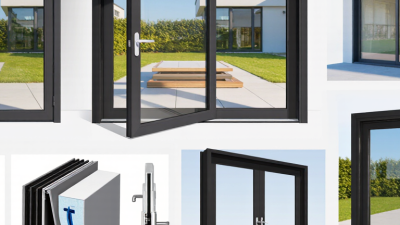
Frames matter. Compare fiberglass, insulated steel, and engineered wood for stability, maintenance, and thermal resistance. Steel is strong, but poorly insulated steel can feel cold near the edges. Fiberglass usually resists warping better, though quality varies between products.

Glass selection changes comfort noticeably. Low-emissivity coatings help reduce heat transfer, while double glazing improves insulation over single glazing. In colder climates, a lower U-factor is generally preferable. In sunny regions, a moderate or lower solar heat gain coefficient can reduce unwanted afternoon heat.

The National Fenestration Rating Council identifies U-factor, solar heat gain coefficient, visible transmittance, and air leakage on performance labels. Read the whole label, not just the U-factor.

A practical inspection should include the meeting stile, threshold, weatherstripping, and corners. These areas often weaken real-world performance. The Department of Energy notes that installation quality strongly affects window and door efficiency.

A small daylight gap can defeat expensive glass. I would also question dramatic savings claims unless they show test conditions and climate assumptions. Energy performance is not perfectly predictable. Orientation, shading, indoor humidity, and local weather can change the result. Choose certified ratings, careful installation, and glass suited to the room’s actual exposure.

Measure the Opening and Select the Correct Door Configuration

How to Choose the Best Black French Doors?

Measure the opening before choosing a black French door style. Record width at the top, center, and sill. Check height on both sides. Walls shift slightly over time. My practical rule is simple: measure twice, then measure again. A laser level helps reveal a sloping floor or leaning jamb. Keep the smallest measurement, not the most convenient one. Confirm the manufacturer’s required rough-opening clearance before ordering.

Next, select the correct door configuration. A pair of equal leaves creates a balanced entrance, while an unequal pair saves space near furniture. Decide which leaf should operate daily. The active leaf needs comfortable handle clearance and a strong latch. Inward-swinging doors require interior floor space. Outward-swinging doors may need protection from wind and rain. For a required egress opening, the 2021 International Residential Code generally requires at least 32 inches of clear door width.

Glass and frame performance also deserve attention. The U.S. Department of Energy reports that windows can account for 25–30% of residential heating and cooling energy use. French doors contain large glass areas, so compare NFRC-rated U-factor and solar heat gain coefficient values. Lower U-factor usually means better insulation. However, the best rating depends on climate and orientation. I would not choose black framing on appearance alone. Dark surfaces can become noticeably hot in direct sun, and installation errors can defeat good specifications. Recheck the sill, flashing, and weather seal before finalizing the order.

Evaluate Hardware, Security Features, and Installation Requirements

How to Choose the Best Black French Doors?

Black French doors should be judged by hardware, security, and installation quality—not appearance alone. I would not treat a heavy handle as proof of protection. Choose a multi-point lock that engages the head, sill, and side jamb. Hinges should use long, corrosion-resistant screws anchored into structural framing. Laminated glass can resist impact better than ordinary annealed glass, while tempered glass mainly improves breakage safety. According to the FBI’s 2023 Crime Data Explorer, the United States recorded approximately 847,522 burglary offenses. Strong hardware deserves serious attention.

Security also depends on the surrounding frame. Check for anti-lift features, a reinforced strike plate, and a cylinder that resists drilling or picking. Ask for tested assembly performance, not isolated product claims. Testing under standards such as ASTM F588 can provide useful forced-entry evidence, although laboratory results cannot predict every installation. Small gaps matter.

Installation errors are common and expensive. The rough opening must be square, level, and properly supported. A sill pan, compatible flashing, and sealed fasteners help manage rainwater. The U.S. Department of Energy reports that windows can account for 25–30% of residential heating and cooling energy use, so poor sealing may also increase drafts. Black finishes can absorb strong sunlight, making expansion and weather resistance important. Measure twice. A qualified installer should verify the threshold, reveal, drainage, and door swing before fastening the frame.

How to Choose the Best Black French Doors? – Evaluate Hardware, Security Features, and Installation Requirements

Evaluation Dimension Recommended Specification Why It Matters Inspection or Installation Notes
Door Material Thermally broken aluminum, fiberglass, or engineered wood with exterior-grade coating These materials can provide better dimensional stability and weather resistance than untreated interior wood. Confirm that the frame and finish are rated for the intended exposure, especially on south- or west-facing elevations.
Black Finish UV-resistant powder coating, baked enamel, or exterior-grade paint Dark colors absorb more solar heat and can show fading, scratches, and surface dust more visibly. Request the finish-care instructions and check whether touch-up coating is available for future maintenance.
Glass Type Double insulating glass with tempered or laminated safety glass where required Insulating glass can reduce heat transfer, while safety glass helps limit injury if the panel breaks. Verify local safety-glazing requirements near floors, steps, doors, and wet areas before ordering.
Hinge Construction Adjustable, corrosion-resistant hinges sized for the door-panel weight Properly rated hinges help maintain alignment and smooth operation over time. Check hinge adjustment points after installation and confirm that fasteners are anchored into suitable structural material.
Locking System Multi-point lock with a keyed cylinder or approved electronic access option Multiple locking points can improve resistance to forced entry and help pull the panels evenly against the seals. For active and inactive panels, confirm that the flush bolts or shoot bolts engage fully into reinforced keepers.
Cylinder Security A lock cylinder with anti-drill, anti-pick, and restricted-key features where appropriate Cylinder protection addresses common attack methods beyond the strength of the door panel itself. Use a qualified locksmith or installer to verify compatibility, key control, and emergency access requirements.
Handle Set Solid lever or pull handle with a secure interior thumb-turn or latch operation A durable handle supports frequent use and should operate the lock without excessive force. Choose corrosion-resistant metal for humid locations and maintain adequate clearance from nearby walls or furniture.
Weather Seals Continuous compression gaskets, corner seals, and a replaceable bottom sweep Effective seals help reduce drafts, water infiltration, dust, and outdoor noise. Inspect gasket compression around the full perimeter and avoid cutting seals at the corners.
Threshold Design Thermally improved threshold with drainage and an accessible profile when needed The threshold affects water management, comfort, accessibility, and long-term floor protection. Provide a correctly sloped sill pan or drainage strategy and confirm finished-floor height before fabrication.
Frame Opening A structurally sound opening with enough clearance for shimming and adjustment A square, plumb opening is essential for even gaps, reliable locking, and smooth swing movement. Measure width and height at multiple points and check diagonals before finalizing the door size.
Structural Support Adequate header, jamb reinforcement, and fastening into structural framing Large glazed doors can be heavy, and inadequate support may cause sagging or frame movement. Have a qualified professional assess the opening when replacing a window, enlarging an opening, or installing unusually wide panels.
Swing Direction Inswing or outswing selected according to space, climate, and local code requirements Swing direction affects furniture clearance, weather exposure, escape routes, and security hardware placement. Confirm that the open panels will not block walkways, stairs, fixtures, or required egress paths.
Panel Alignment Even reveal around both panels with a consistent meeting stile gap Consistent gaps improve appearance and help the seals and lock hardware work correctly. Use shims and hinge adjustments rather than forcing the panels; recheck alignment after fastening.
Security Accessories Reinforced strike plates, long structural screws, door sensors, and interior security bars where suitable Supporting hardware can strengthen the attachment points and provide useful entry alerts. Ensure accessories do not interfere with emergency egress, normal lock operation, or manufacturer instructions.
Energy Performance Low-emissivity glazing, insulated frames, and documented U-factor and solar heat-gain data Performance values help compare heat loss and solar gain for the specific climate and orientation. Evaluate the complete door assembly, not glass alone, and follow local energy-code requirements.
Maintenance Needs Routine cleaning, annual hardware inspection, and periodic seal replacement when worn Regular care helps preserve the black finish, prevent corrosion, and maintain weather performance. Use mild soap and water; avoid abrasive cleaners that can damage the coating or glazing components.

Set a Budget and Check Maintenance Needs Before Buying

Black French doors can make a hallway feel brighter and more open. However, their appearance should not control your entire buying decision. Set a complete budget before measuring the opening. Include the doors, frame, hinges, handles, delivery, installation, and possible wall repairs. A low purchase price can become expensive after fitting costs appear.

I once underestimated the cost of preparing an older doorway. The doors looked affordable, but the uneven opening required extra work. That mistake changed how I compare products. Check whether the frame suits your wall type and whether professional installation is necessary. Solid construction may cost more, but it can improve insulation, security, and long-term performance.

Tips:

Ask for written quotes. Check the warranty terms. Test the latch before installation. Choose durable powder-coated or well-sealed finishes, and inspect the coating carefully for thin edges or scratches. Black surfaces can show dust, fingerprints, and fading more clearly than lighter colors. Wipe the glass and frame with a soft cloth and mild soap. Avoid abrasive cleaners, especially near the finish and seals. Inspect hinges, handles, and weatherstripping twice a year. Replace worn seals early. Small faults can spread. Think about maintenance time, not only the initial price. I would also leave a small budget reserve, because home projects rarely follow the original estimate perfectly.