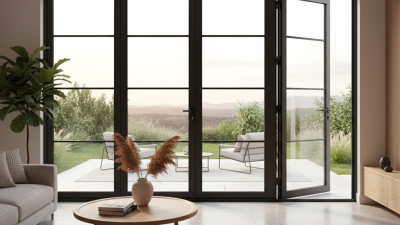
China has become a significant sourcing base for black patio doors, serving residential developers, architects, distributors, and renovation companies worldwide. Its manufacturers offer aluminum, uPVC, and thermally broken systems for balconies, gardens, terraces, and modern commercial spaces. Yet product photos rarely reveal the full purchasing risk. Frame strength, glass performance, drainage design, and hardware quality deserve closer attention.
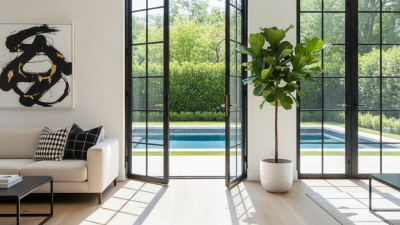
This guide introduces China’s leading black patio doors manufacturers through practical and verifiable selection criteria. It considers factory experience, production capacity, customization services, certifications, testing procedures, and export support. Buyers can compare slim-frame sliding doors, folding systems, lift-and-slide designs, and weather-resistant finishes. Details matter. A powder-coated surface should remain consistent around corners, while rollers should move smoothly without grinding sounds. Sample inspection helps reveal problems that catalogs hide.
Reliable manufacturers should provide clear drawings, material specifications, installation guidance, and responsive communication. They should also explain wind-load ratings, glazing options, thermal performance, and expected maintenance. Compliance requirements vary between markets, so buyers must confirm local standards with qualified professionals. A factory may have strong machinery but weak project management. Another may offer attractive pricing but limited after-sales support. No supplier is perfect. Careful verification remains necessary.
The following overview aims to help global buyers make informed decisions about black patio doors. It combines industry knowledge with practical sourcing experience, while recognizing that specifications can change between projects. Factory audits, reference checks, and independent product testing can reduce uncertainty before payment and shipment. Good doors should not only look elegant. They should open quietly, seal tightly, and perform reliably through changing seasons.
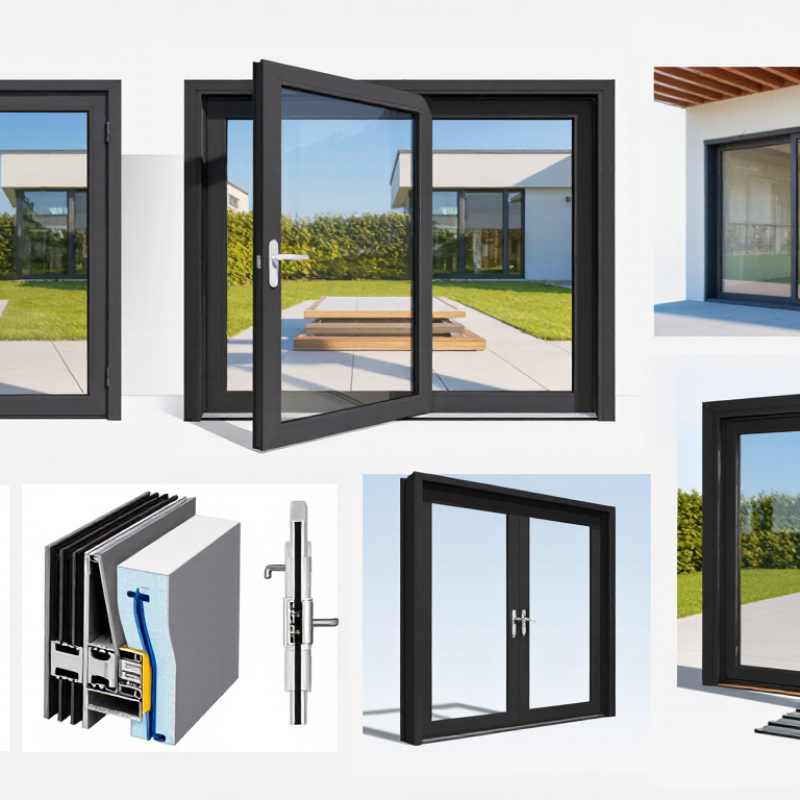
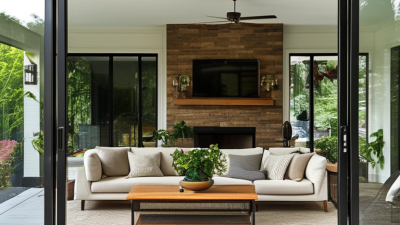
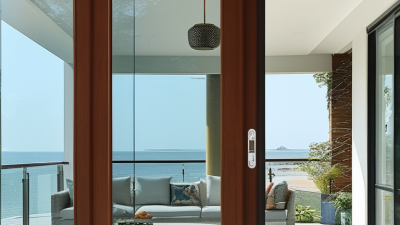
Chinese patio door manufacturers offer several black-framed designs for different building layouts and climate conditions. Sliding patio doors remain popular because they save interior space. Their large glass panels can bring daylight into kitchens, lounges, and garden rooms. Lift-and-slide doors use stronger rollers and raised tracks. They suit wider openings and heavier insulated glass. Standard sliding systems may be more economical, but their opening width is often limited.
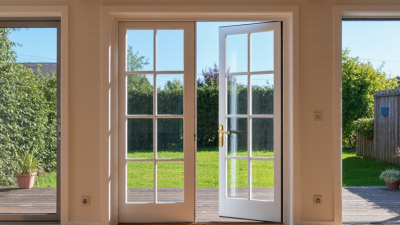
French patio doors open inward or outward from a central meeting point. They provide a traditional appearance and useful ventilation. Folding doors create a broad opening by stacking multiple panels beside the wall. This option works well for terraces, restaurants, and connected indoor spaces. Multi-track systems can move several panels independently. They offer flexible ventilation, although installation accuracy becomes more demanding. Black aluminum frames are commonly finished with powder coating or anodizing. The final texture may be matte, satin, or lightly textured.
Experienced Chinese suppliers usually provide thermal-break aluminum options, double or triple glazing, low-e glass, and upgraded weather seals. Buyers should check drainage design, roller load ratings, locking points, and corner-joint quality. Black surfaces can show dust and scratches more clearly than lighter finishes. I would not select a door from photographs alone. A physical sample reveals color, handle comfort, gasket compression, and frame rigidity. Factory test reports also deserve careful review, especially for air leakage, water resistance, and wind pressure. Specifications should match the project’s local climate and building requirements, not merely the lowest quotation.
| Door Type | Common Frame Material | Typical Operation | Common Glazing Options | Black Finish Options | Typical Applications | Key Characteristics |
|---|---|---|---|---|---|---|
| Black Sliding Patio Doors | Aluminum, uPVC, or thermally broken aluminum | One or more panels slide horizontally along tracks | Double glazing, laminated glass, tempered glass, or low-emissivity glass | Powder coating or anodized aluminum finish; colored uPVC profile finish | Residential balconies, patios, terraces, and apartments | Space-efficient operation and wide glazed openings; track drainage and roller quality are important. |
| Black French Patio Doors | Aluminum, uPVC, or engineered timber | Two hinged leaves that open inward or outward | Insulating glass units, clear tempered glass, or laminated safety glass | Powder-coated aluminum, painted uPVC, or factory-applied wood finish | Traditional homes, dining areas, gardens, and interior-to-exterior openings | Provides a broad central opening and symmetrical appearance; requires swing clearance. |
| Black Bi-Fold Patio Doors | Thermally broken aluminum or aluminum with reinforced profiles | Multiple connected panels fold and stack to one or both sides | Double or triple glazing, tempered glass, laminated glass, or low-emissivity glass | Exterior powder coating with matching interior color available on selected systems | Large patios, restaurants, villas, and indoor-outdoor living spaces | Creates a large clear opening; hardware, panel weight, and threshold design affect performance. |
| Black Multi-Slide Patio Doors | Thermally broken aluminum | Large panels slide on parallel tracks and may stack or pocket into a wall | Large-format insulating glass, tempered glass, laminated glass, or low-emissivity glass | Exterior-grade powder coating or anodized finish | Luxury residences, hospitality projects, commercial terraces, and premium renovations | Supports expansive glazed elevations; structural opening, drainage, and installation tolerances require careful coordination. |
| Black Tilt-and-Turn Patio Doors | uPVC or thermally broken aluminum | Tilts inward for ventilation and turns inward for full opening | Double glazing, triple glazing, laminated glass, or low-emissivity glass | Powder-coated aluminum or colored uPVC surface | Balconies, compact patios, upper-floor rooms, and ventilation-focused spaces | Combines ventilation with an inward-opening function; hardware configuration must suit local building requirements. |
| Black Hinged Patio Doors | Aluminum, uPVC, steel, or engineered timber | Single or double leaf operation on side hinges | Insulating glass, tempered glass, laminated glass, or decorative glass | Powder coating, painted finish, anodized aluminum, or wood coating | Side entrances, garden access, balconies, and smaller patio openings | Flexible in size and configuration; weather seals, hinges, and locking points influence air and water resistance. |
| Black uPVC Patio Doors | Multi-chamber uPVC with galvanized steel or reinforcement inserts | Sliding, hinged, French, or tilt-and-turn configurations | Double or triple insulating glass, low-emissivity glass, and safety glass | Foil-laminated, co-extruded, or colored uPVC profile finish | Housing projects and residential replacement work | Low-maintenance frame option with good insulation potential; dark colors require suitable profile design and thermal consideration. |
| Black Thermally Broken Aluminum Patio Doors | Aluminum profiles separated by polyamide thermal barriers | Available in sliding, hinged, French, bi-fold, and multi-slide systems | Double or triple insulating glass, low-emissivity glass, tempered glass, or laminated glass | Architectural powder coating or anodized finish, subject to project specification | Energy-conscious homes, coastal projects, villas, offices, and hospitality buildings | Improves resistance to heat transfer compared with non-thermally broken aluminum; final performance depends on the complete door system. |
| Black Patio Doors with Low Thresholds | Aluminum or uPVC systems with accessible threshold options | Usually sliding, hinged, or bi-fold operation | Safety glass, insulating glass, laminated glass, or low-emissivity glass | Powder-coated aluminum or colored uPVC finish | Accessible homes, hotels, care facilities, and level-access garden entrances | Reduces the step at the doorway; drainage, water management, and local accessibility requirements must be verified. |
Note: Available dimensions, glazing combinations, hardware, thermal performance, weather resistance, and applicable testing standards vary by product system and project specification. Buyers should confirm the required building codes and performance tests for the destination market.