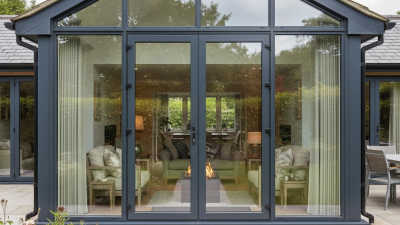
Choosing among the 10 best windows and sliding doors for global buyers is not a simple style decision. It is a practical assessment of climate, construction quality, installation skill, and long-term maintenance. A wide glass door may look impressive in a showroom, yet struggle against coastal wind, desert heat, tropical rain, or freezing temperatures.
Building scientist Joseph Lstiburek often says, “Windows are holes in walls.” His blunt observation explains why frame design, flashing, drainage, and airtight installation deserve serious attention. The best windows and sliding doors should control heat transfer, resist water intrusion, reduce outside noise, and operate smoothly after years of use. Small details matter. A properly sized threshold can prevent puddles. Low-emissivity glass can make a sunlit room feel noticeably cooler. Durable rollers can keep a heavy sliding panel moving with less effort.
This guide compares leading options through a buyer-focused lens. It considers aluminum, uPVC, timber, and composite frames, along with double and triple glazing. It also examines thermal performance, security hardware, ventilation, accessibility, warranty support, and regional availability. However, no list can replace a professional site assessment. Wall thickness, local weather, exposure, and installation practice can change the result. Even this guide has limits. A premium product may underperform when fitted poorly, while a modest system can work well under suitable conditions. Global buyers should verify tested ratings, supplier credentials, spare-parts access, and local building requirements before committing.

10 Best Windows and Sliding Doors for Global Buyers?
Global buyers should judge windows and sliding doors by climate, installation quality, and verified performance. A coastal home may need corrosion-resistant hardware and laminated glass. A cold region may require low thermal-transmittance frames and insulated glazing. Hot climates benefit from solar-control glass, external shading, and careful ventilation planning. Sliding doors need smooth rollers, strong tracks, and secure multi-point locking. Ask for tested air, water, wind, and thermal results, not only attractive product photos. Check opening direction, frame depth, drainage design, and whether replacement parts are available locally.
Tips: Confirm local building codes before ordering. Request drawings, glass specifications, packing details, and installation instructions. Measure each opening at least three times. Record the smallest width and height. Leave suitable tolerances for leveling and expansion. A qualified installer should inspect the wall before delivery, especially around uneven masonry. Factory quality matters, but poor installation can still cause leaks, drafts, or difficult operation.
Price deserves careful attention. The cheapest quotation may exclude screens, flashing, handles, delivery, or customs-related services. It may also use unfamiliar technical terms. I have seen buyers focus on frame color while overlooking drainage and warranty conditions. That is an easy mistake. Performance claims should match independent test reports and clear warranty limits. Review sealant compatibility, glass safety requirements, maintenance instructions, and expected lead times. Some details remain uncertain until the site is inspected, so flexible planning is wiser than assuming every opening is perfectly square.
| No. | Window or Door Type | Typical Opening Format | Common Frame Materials | Recommended Glazing | Typical Thermal Performance | Best-Suited Applications | Main Advantages | Key Limitations | Important Buyer Checks |
|---|---|---|---|---|---|---|---|---|---|
| 1 | Double-Hung Window | Two vertically sliding sashes; both sashes may open for ventilation. | uPVC Wood Aluminum Composite | Double or triple insulating glass; low-emissivity coating is commonly used. | Approximately 1.0–2.0 W/m²K for a complete high-performance unit. | Traditional homes, apartments, bedrooms, and projects requiring controlled ventilation. | Easy ventilation control, familiar operation, and convenient cleaning when the sashes tilt inward. | More air leakage risk than a well-sealed casement; the opening area is limited by the sliding mechanism. | Check locking points, sash balance, weather seals, drainage, and the tested air-infiltration rating. |
| 2 | Casement Window | Side-hinged sash opening outward or inward with a handle or friction stay. | uPVC Aluminum Wood Composite | Double or triple low-emissivity insulating glass with argon filling where available. | Approximately 0.8–1.8 W/m²K for a complete high-performance unit. | Cold, mixed, windy, and tropical climates where ventilation and weather sealing are important. | Strong compression seal, good ventilation, and generally efficient use of opening space. | Needs clear exterior space; exposed hardware may require protection in severe coastal or storm conditions. | Confirm hinge durability, wind-load design, restrictors, multipoint locking, and outward-opening clearance. |
| 3 | Awning Window | Top-hinged sash opening outward from the bottom. | uPVC Aluminum Wood | Double glazing for temperate areas; triple glazing for colder climates. | Approximately 0.9–1.9 W/m²K for a complete high-performance unit. | Bathrooms, kitchens, basements, and locations needing ventilation during light rain. | Can provide ventilation while partially shielding the opening from rain; good privacy at low level. | Requires space above the opening and may be less suitable where exterior walkways are nearby. | Check sash projection, water drainage, hardware corrosion resistance, and local emergency-egress rules. |
| 4 | Tilt-and-Turn Window | Tilts inward from the top for ventilation or turns inward for a full opening. | uPVC Aluminum Wood Composite | Double or triple low-emissivity insulating glass; warm-edge spacers improve edge performance. | Approximately 0.7–1.6 W/m²K for a complete high-performance unit. | Cold climates, high-rise apartments, modern homes, and buildings requiring secure ventilation. | Flexible ventilation, strong perimeter sealing, convenient cleaning, and good security potential. | Hardware is more complex and may require precise installation and periodic adjustment. | Verify operating mode safety, hardware load capacity, child-safety options, and replacement-hardware availability. |
| 5 | Fixed Picture Window | Non-opening glazed panel installed alone or beside operable windows. | Aluminum uPVC Wood Fiberglass | Double or triple insulating glass; solar-control glass may be needed in hot climates. | Approximately 0.6–1.6 W/m²K for a complete high-performance unit. | Living rooms, view corridors, commercial façades, and areas prioritizing daylight and scenery. | Large uninterrupted views, high weather resistance, and fewer moving parts. | Provides no direct ventilation and can create heat gain or glare if glass selection is unsuitable. | Review solar heat-gain coefficient, visible light transmission, safety glazing, glass size limits, and structural support. |
| 6 | Lift-and-Slide Door | Large sliding panel lifts slightly from the track before moving horizontally. | Thermally Broken Aluminum uPVC Wood-Aluminum | Double or triple insulating safety glass; laminated glass may be selected for impact or security needs. | Approximately 0.8–1.8 W/m²K for a complete high-performance door. | Large patios, terraces, balconies, hospitality projects, and premium residential openings. | Handles large panels with relatively low operating force and offers wide, unobstructed access. | Higher cost, heavier components, and more demanding threshold and drainage requirements. | Check panel weight limits, track design, threshold height, water tightness, corrosion resistance, and installation tolerances. |
| 7 | Multi-Panel Sliding Door | Two or more panels slide along one or more horizontal tracks. | Thermally Broken Aluminum uPVC Composite | Double safety glazing for moderate climates; triple glazing for demanding thermal targets. | Approximately 1.0–2.2 W/m²K for a complete high-performance door. | Residential terraces, retail façades, restaurants, offices, and wide indoor-outdoor connections. | Efficient use of floor space, flexible panel configurations, and broad opening widths. | Track cleanliness is important; meeting rails and multiple joints can reduce air and water performance. | Confirm track drainage, roller replacement access, interlocking seals, wind-load rating, and panel stacking layout. |
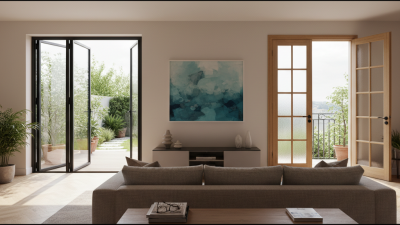
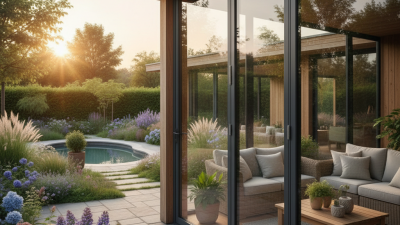
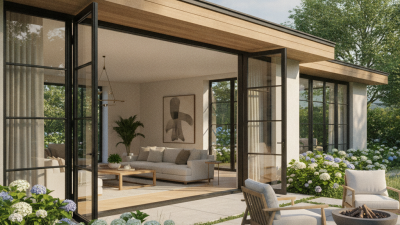
| 8 | Bi-Fold Door | Several hinged panels fold and stack to one or both sides of the opening. | Aluminum Wood Composite uPVC | Double or triple laminated or tempered insulating glass, depending on safety requirements. | Approximately 1.0–2.0 W/m²K for a complete high-performance door. | Garden rooms, entertainment areas, cafés, restaurants, and openings requiring a wide clear passage. | Creates a very wide opening and allows flexible access and ventilation. | More hinges, rollers, and meeting joints can increase maintenance and reduce airtightness if poorly adjusted. | Check panel alignment, hardware load rating, sill design, accessibility requirements, and drainage capacity. |
| 9 | Thermally Broken Aluminum Sliding Door | Sliding panels separated by horizontal thermal-break sections within the frame. | Thermally Broken Aluminum | Double or triple insulating glass with low-emissivity coating and solar-control options. | Approximately 1.0–2.2 W/m²K for a complete high-performance door. | Hot climates, coastal areas, high-rise buildings, commercial projects, and large glazed façades. | High dimensional stability, slim profiles, strong wind-load capability, and broad design flexibility. | Metal frames can conduct heat if the thermal break is inadequate; surface temperatures may vary by climate. | Ask for thermal-break width, frame U-factor, coating durability, salt-spray resistance, and tested water performance. |
| 10 | Impact-Resistant Sliding Door | Sliding door designed with impact-rated laminated glazing and reinforced frame components. | Aluminum uPVC Fiberglass | Impact-resistant laminated glass; insulating configurations are available for thermal efficiency. | Approximately 1.2–2.5 W/m²K, depending on impact glass and frame construction. | Hurricane-prone coastal regions, typhoon areas, high-wind zones, and exposed buildings. | Improved resistance to windborne debris, enhanced security, and better post-breakage glass retention. | Usually heavier and more expensive; certified systems may have stricter size and installation limits. | Confirm the required regional impact standard, design pressure, missile-impact classification, anchorage, and certified installation method. |