Top 10 Types of Windows and Sliding Doors for Global Buyers

Choosing the right windows and sliding doors is rarely just a design decision. It affects daylight, ventilation, security, energy use, and everyday comfort. A coastal apartment may need corrosion-resistant frames, while a cold-climate home may require high-performance glazing. A busy retail space may value smooth operation and wide openings.

This guide explores the top 10 types for global buyers. It compares casement windows, awning windows, tilt-and-turn systems, fixed windows, folding doors, lift-and-slide doors, and other practical solutions. Each type serves a different purpose. Some maximize airflow. Others create uninterrupted views or save space beside a patio. Fit matters most.

The discussion considers frame materials, glass options, drainage, hardware, maintenance, and installation conditions. We also examine details that buyers sometimes overlook, such as threshold height, weather seals, thermal breaks, and replacement access. Small details matter. Product claims should be checked against test reports, technical drawings, and local building requirements. Standards vary between markets, so professional review remains sensible.

Reliable suppliers should explain performance ratings clearly. They should provide samples, warranty terms, lead times, and installation guidance. A well-made product can still perform poorly when measured or installed incorrectly. That mistake is more common than many buyers expect. We also recognize that no single window or door suits every project. Budgets, climate, wall structure, and daily habits can change the best choice. Use this guide as a practical starting point, then confirm specifications with qualified designers, engineers, and installers before ordering.

Top 10 Types of Windows and Sliding Doors for Global Buyers

Key Features Buyers Should Compare in Windows and Sliding Doors

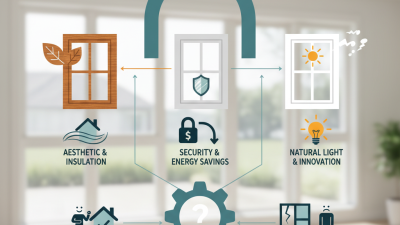
Global buyers should compare windows and sliding doors by performance, not appearance alone. Frame material affects strength, thermal movement, and maintenance. Aluminum offers slim sightlines, while reinforced profiles may suit larger openings. Wood provides warmth but needs regular protection. Composite options can balance both, though quality varies.

Glass deserves close attention. Double glazing may suit mild climates, while triple glazing can improve comfort in colder regions. Low-emissivity coatings reduce heat transfer, but they can affect visible light and solar gain. Buyers should review U-values, solar heat gain, acoustic ratings, and safety glazing requirements. These figures are more useful than vague claims such as “energy saving.”

Test the seals and moving parts carefully. Smooth rollers, adjustable hardware, and replaceable weather seals matter after years of use. Air leakage and water resistance should match the project’s wind and rainfall exposure. A coastal building needs corrosion-resistant components. A high-rise installation may require stronger wind-load testing. Installation quality is equally important; even excellent products can fail over an uneven opening. I once focused too heavily on frame specifications and underestimated drainage details. That was a costly lesson. Check sill slopes, weep holes, locking points, and cleaning access before ordering. Also confirm dimensions, packaging, delivery conditions, and local installation standards with qualified professionals.

Five Common Window Types and Their Practical Uses

For global buyers, window selection should begin with climate, ventilation, and cleaning access. Appearance alone is not enough. The U.S. Department of Energy’s Energy Saver guidance estimates that windows influence 25–30% of residential heating and cooling energy use. That figure is significant. NFRC rating guidance also highlights U-factor and solar heat gain coefficient when comparing performance across regions.

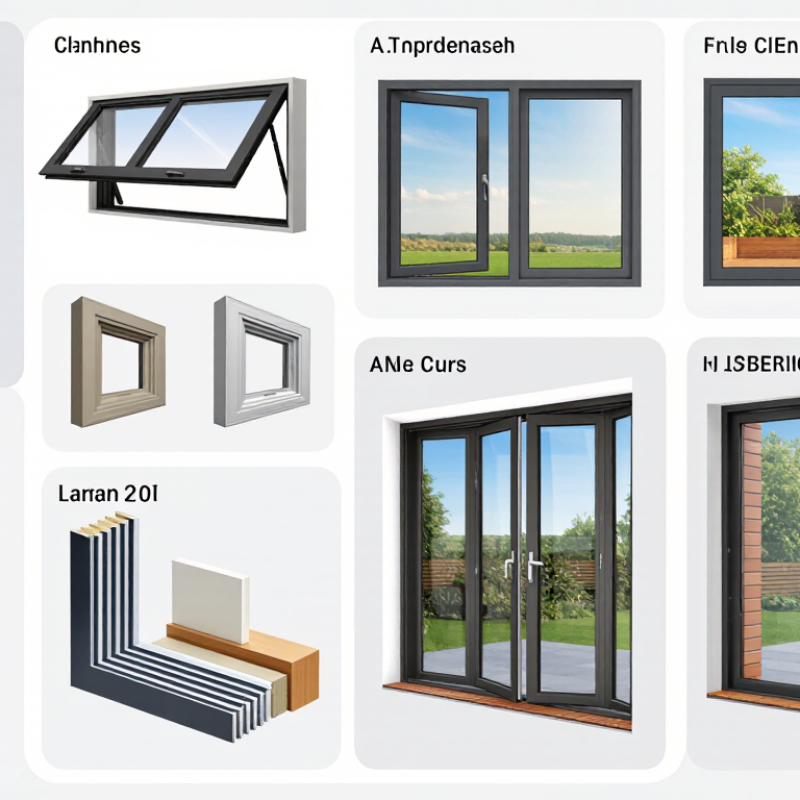
Casement windows open outward and capture cross-breezes, making them practical for living rooms and mild climates.

Awning windows hinge at the top and help protect openings during light rain.

Double-hung windows suit bedrooms and traditional façades, with both sashes moving vertically.

Sliding windows require little exterior clearance, so they work well beside patios or narrow walkways.

Fixed picture windows provide broad daylight and views, but no natural ventilation.

For coastal or dusty locations, seals and hardware need careful review. Visible glass area can be misleading. Maintenance often decides real value.

Tips: Choose a lower U-factor for cold climates, but check SHGC in sunny regions. Request tested air-leakage, water-resistance, and operating-cycle data. Confirm glazing, dimensions, and installation tolerances before ordering. A strong frame cannot rescue poor installation. Local standards also vary, so technical documents should be checked carefully.

Five Popular Sliding Door Types for Different Spaces

Top 10 Types of Windows and Sliding Doors for Global Buyers

Five Popular Sliding Door Types for Different Spaces

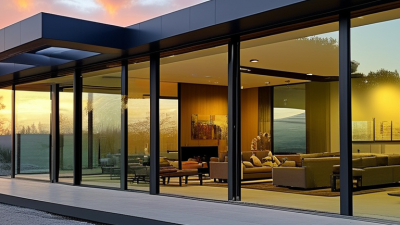
Sliding doors can shape how a room feels, not just how it connects. The U.S. Department of Energy estimates that windows may cause 25–30% of residential heating and cooling energy use. Glass size, frame material, orientation, and air leakage therefore deserve careful review. In warm climates, low-emissivity glass and external shading can reduce indoor heat. In colder regions, insulated frames and tight seals matter more. Local testing standards still vary.

A patio sliding door suits balconies, living rooms, and compact terraces.

A lift-and-slide door works well for wide openings, although its hardware requires accurate installation.

Pocket doors disappear inside the wall and save valuable floor space.

Bypass doors overlap on parallel tracks, making them practical for wardrobes and smaller rooms.

Telescoping doors stack several panels beside the opening, creating a broader visual connection to gardens or courtyards.

Details matter.

The International Energy Agency’s 2023 Global Status Report for Buildings and Construction states that buildings account for about 30% of global energy demand. This makes thermal performance more than a design preference. Buyers should compare U-values, solar heat gain coefficients, water resistance, and verified air-leakage results. A low threshold looks elegant, but it may need better drainage in heavy-rain regions. Oversized panels also demand stronger tracks and careful handling. A perfect specification is rare. Product selection should reflect climate, wall structure, maintenance skills, and daily traffic rather than appearance alone.

Materials, Glass Options, and Energy Performance

Top 10 Types of Windows and Sliding Doors for Global Buyers

Materials, Glass Options, and Energy Performance

Global buyers often compare casement, awning, double-hung, single-hung, sliding, tilt-and-turn, fixed, bay, bi-fold, and lift-slide systems. Their performance depends on more than opening style. The U.S. Department of Energy reports that windows can cause 25–30% of residential heating and cooling energy use. That makes frame material and glass selection commercially important.

uPVC offers low maintenance and steady insulation. Thermally broken aluminum provides slimmer profiles, but poor breaks can create cold interior edges. Timber feels warm and performs well when sealed correctly. Fiberglass and composite frames can balance strength, stability, and insulation. Double glazing suits many moderate climates. Triple glazing can improve comfort in cold regions, although its added weight and cost need careful review. Low-emissivity coatings, argon filling, warm-edge spacers, and laminated glass can reduce heat transfer and improve safety.

Small details matter.

The International Energy Agency states that buildings consume about 30% of global final energy. Buyers should compare whole-window U-factor, solar heat gain coefficient, visible transmittance, air leakage, and water resistance. Lower U-factor usually means better insulation, while SHGC must match local sunlight conditions. A high-performance specification can still disappoint when installation gaps remain unsealed. I have seen attractive sliding doors lose comfort through weak tracks and poorly adjusted seals. Ratings are useful, but they are not perfect. Regional testing methods also differ, so procurement teams should request certified reports, installation guidance, and climate-specific calculations before ordering.

Top 10 Types of Windows and Sliding Doors for Global Buyers

Indicative whole-product U-factor comparison for thermally improved frames with low-emissivity double glazing. Lower values indicate better insulation.

Representative benchmarks are shown in W/m²·K and can vary according to frame material, thermal breaks, glazing configuration, spacer design, product size, air leakage, and regional test standards. Fiberglass, composite, and thermally broken aluminum frames can improve performance, while triple glazing generally provides lower U-factors than double glazing.

How to Choose the Right Type for Global Projects

Choosing windows and sliding doors for global projects requires more than comparing appearance and price. Climate, building use, installation skills, and shipping conditions all matter. Casement, awning, fixed, single-hung, tilt-and-turn, louvered, French, bi-fold, standard sliding, and lift-and-slide systems each solve different problems.

Start with the local environment. Coastal buildings need corrosion-resistant hardware and careful drainage. Cold regions require strong thermal separation and dependable seals. Hot, sunny locations may need low-emissivity glazing, shading, or reduced solar gain. Wind exposure also matters, especially for tall apartments and exposed resorts. Ask for tested air, water, and structural performance. Do not rely only on product descriptions.

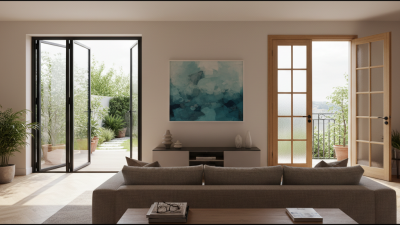
Then study daily movement. A lift-and-slide door may suit a wide terrace, but its weight requires accurate installation. A bi-fold system opens broadly, yet it needs clear floor tracks and regular adjustment. Sliding windows save indoor space, while casement windows often support stronger ventilation. Measure the finished opening, not the early drawing. Small errors become expensive on site.

Global projects also need clear documentation, compatible dimensions, safe packaging, and replacement-part planning. Confirm glass specifications, frame materials, drainage paths, and hardware cycles before ordering. I have seen attractive systems fail because installers lacked the right anchors. That lesson is easy to overlook. A perfect choice rarely exists. The best solution balances performance, maintenance, budget, and local workmanship. Recheck every assumption.

Top 10 Types of Windows and Sliding Doors for Global Buyers — How to Choose the Right Type for Global Projects
No. Window or Door Type Category Opening Method Main Advantages Ventilation Energy Performance Weather Resistance Security Potential Typical Applications Project Selection Considerations
1 Casement Window Window Side-hinged sash opens outward using a handle or friction stay. Strong natural ventilation, clear view, and effective perimeter sealing when closed. ★★★★★ Generally high because the sash can compress seals tightly against the frame. Good when correctly sized, sealed, drained, and protected from excessive wind exposure. High with multi-point locking, laminated glass, and reinforced hardware. Residential buildings, offices, hotels, coastal homes, and mixed-use developments. Allow clearance for the outward opening sash; review wind loads, escape requirements, and cleaning access.
2 Tilt-and-Turn Window Window Tilts inward from the top for ventilation or turns inward from the side for full opening. Combines controlled ventilation, easy cleaning, and a wide opening in one unit. ★★★★★ Generally high due to compression seals and a comparatively airtight closed position. Good to very good when drainage, seals, and installation tolerances are properly designed. High with multi-point locking and inward-opening hardware protected from weather. High-rise apartments, schools, hospitals, offices, and buildings requiring safe ventilation. Requires accurate fabrication and installation; check interior clearance and emergency-exit rules.
3 Fixed Picture Window Window Does not open; the glazing is permanently fixed in the frame. Maximum daylight and view area with fewer moving parts and simple maintenance. — Often very high because there are no operable joints, provided the frame and glazing are well sealed. Very good when correctly glazed and installed with suitable perimeter drainage. High with laminated or security-rated glazing and a robust frame connection. Living rooms, curtain-wall sections, stairwells, showrooms, and panoramic façades. Pair with operable windows where ventilation is required; consider solar heat gain and glass safety.
4 Awning Window Window Top-hinged sash opens outward from the bottom. Can provide ventilation while helping to deflect light rain away from the opening. ★★★★☆ Generally good because the closing sash presses against the frame seals. Good in moderate exposure; the projecting sash must be designed for local wind conditions. Moderate to high with suitable locks and reinforced hardware. Bathrooms, kitchens, basements, clerestory areas, and humid or rainy climates. Check head clearance, rainwater flow, insect-screen compatibility, and egress limitations.
5 Double-Hung Window Window Both the upper and lower sashes slide vertically within the frame. Flexible ventilation, compact operation, and no outward projection into walkways. ★★★★☆ Moderate to good, depending on sash seals, balance hardware, and manufacturing quality. Moderate to good; drainage and interlocking meeting rails are important in exposed locations. Moderate to high with robust locks, reinforced meeting rails, and security glazing. Traditional and contemporary housing, schools, apartments, and buildings with limited exterior space. Confirm maintenance access, child-safety restrictors, insect-screen design, and air-infiltration ratings.
6 Horizontal Sliding Window Window One or more sashes slide horizontally along tracks; some units have a fixed central panel. Space-efficient operation, simple use, and suitability for wide openings. ★★★☆☆ Moderate because sliding joints and track interfaces may provide less compression than hinged systems. Moderate to good when tracks, weep holes, interlocks, and weather seals are correctly maintained. Moderate; specify anti-lift devices, positive locks, and security-rated glazing where required. Apartments, corridors, offices, modular buildings, and rooms with restricted exterior clearance. Specify durable rollers and accessible drainage; keep tracks clean to maintain smooth operation.
7 Louvre or Jalousie Window Window Multiple overlapping glass or louver blades pivot together within a frame. Excellent continuous ventilation and useful airflow control in warm climates. ★★★★★ Usually lower than sealed casement or fixed systems because multiple blade joints can increase air leakage. Moderate to low unless blades, seals, frame drainage, and installation are specifically designed for severe weather. Moderate; use secure operators and safety or laminated glass where risk assessment requires it. Tropical and subtropical housing, utility rooms, bathrooms, sunrooms, and naturally ventilated buildings. Best for airflow-focused designs; evaluate rain penetration, acoustic performance, and thermal requirements.
8 Standard Inline Sliding Door Sliding Door One or more door panels slide horizontally along a track, usually behind or beside a fixed panel. Wide glazed areas, efficient use of floor space, and direct access to balconies or patios. ★★★☆☆ Moderate to good; performance depends heavily on interlocks, rollers, seals, and track design. Good when equipped with raised drainage paths, weather seals, and correctly sized panels. Moderate to high with anti-lift protection, multi-point locks, laminated glass, and reinforced frames. Residential balconies, patios, apartments, hotels, and indoor-outdoor living areas. Review sill drainage, threshold accessibility, panel weight, wind pressure, and long-term roller serviceability.
9 Lift-and-Slide Door Sliding Door Turning the handle lifts the panel slightly from the seals before it rolls horizontally. Supports larger and heavier panels with smooth operation and strong closed-position sealing. ★★★★☆ Generally high for a large sliding door because the panel seals compress when lowered into position. Good to very good when the sill, drainage, rollers, and panel sizes are engineered for the site. High with multi-point locking, anti-lift features, security glass, and reinforced framing. Luxury residences, hotels, high-end offices, villas, and large architectural openings. Requires precise structural support, careful installation, level tracks, and professional hardware adjustment.
10 Bi-Fold Sliding Door Sliding-Folding Door Several hinged panels fold and slide along a top or bottom-running track. Creates a very large opening and can connect interior spaces with terraces, gardens, or balconies. ★★★★★ Moderate to good; the number of panel joints and hardware interfaces can affect airtightness. Moderate to good, depending on sill drainage, gasket continuity, panel alignment, and wind design. High when equipped with multi-point locking and appropriately specified safety or security glazing. Restaurants, hospitality projects, residences, event spaces, and indoor-outdoor commercial areas. Check stacking space, floor levelness, threshold accessibility, panel weight, and maximum wind exposure.