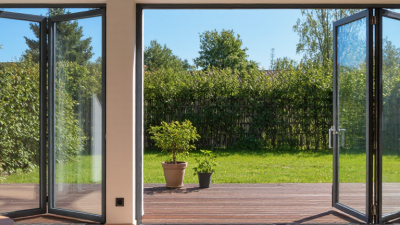
Choosing sliding patio doors for a home, apartment, or commercial project involves more than comparing frame colors. Buyers need to consider glass performance, smooth operation, weather sealing, and the space available beside the opening. Small details matter. A handle should feel secure, and the rollers should move a full-size panel without sticking.
China is a major sourcing base for these products, with manufacturers offering aluminum, uPVC, and thermally broken frame options. Yet a polished catalog does not tell the whole story. Factory capabilities, quality checks, customization limits, and communication can vary from supplier to supplier. This guide examines notable Chinese manufacturers and the factors that help distinguish them, including product range, production experience, export support, and available technical information. It does not treat any company as the best fit for every buyer. That would be too neat. Project requirements differ, and supplier claims should be checked against current specifications, samples, and clear written terms. Use the comparisons as a starting point, then confirm dimensions, glazing, hardware, and installation needs before making a decision.
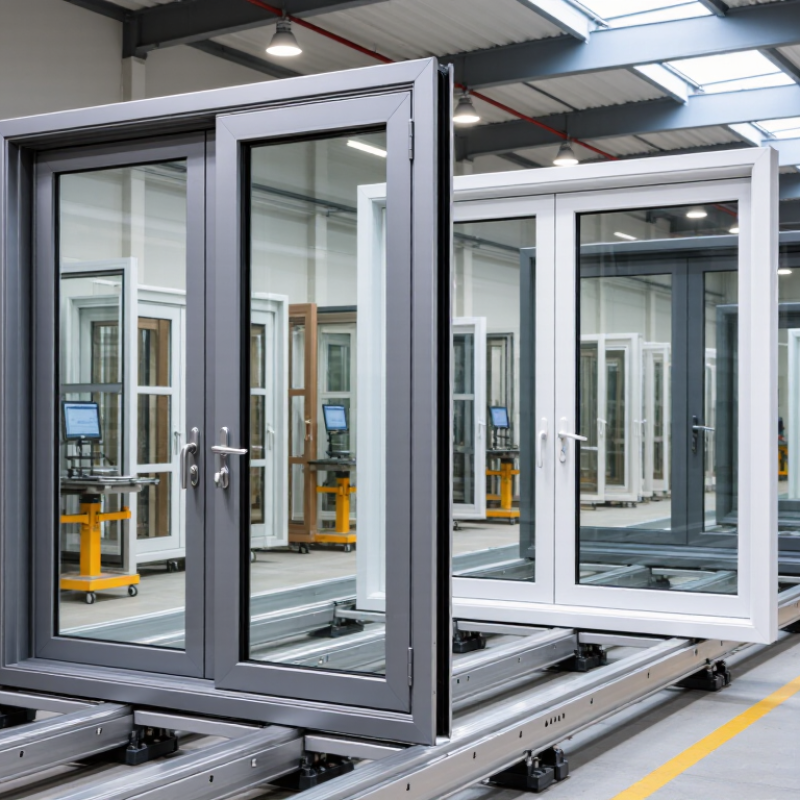
Sliding patio doors are large glazed doors that move horizontally along tracks, usually with one fixed panel and one sliding panel. They connect indoor rooms to patios, decks, or gardens while admitting daylight and providing broad views. Their wide opening suits everyday traffic, though furniture placement and clear floor space matter. That convenience is not automatic.
Performance deserves attention. The U.S. Department of Energy estimates that heat gain and loss through windows account for 25–30% of residential heating and cooling energy use. A patio door’s glass area can affect comfort, especially beside a sunny west-facing wall. NFRC ratings help buyers compare U-factor and solar heat gain coefficient. Look beyond appearance. A smooth track, reliable seals, and properly drained sill can make a practical difference, but installation still matters.
Tips: Check the door’s rated performance for your climate, test the lock and sliding action, and inspect the threshold for water drainage. Still, a larger glass panel is not always an upgrade; glare and summer heat may become noticeable.
A brand-neutral overview of sliding patio door products and practical criteria for evaluating manufacturers in China. Product options and performance vary by system and project.
| Data Dimension | Factual Overview | What to Check When Evaluating a Manufacturer |
|---|---|---|
| Product definition | A sliding patio door has one or more panels that move horizontally along tracks, parallel to the fixed or other moving panels. It provides an opening without requiring a door leaf to swing into the room or onto the patio. | Confirm the number of moving panels, opening direction, track arrangement, and clear opening width in the drawings. |
| Common frame materials | Sliding door frames are commonly made from aluminum, uPVC, timber, or combinations of materials. Thermally broken aluminum systems use an insulating barrier between the interior and exterior aluminum sections. | Request material and profile specifications. For aluminum systems, check whether the quoted frame is thermally broken if thermal separation is required. |
| Glazing options | Systems may be designed for single or insulating glass units. Tempered or laminated safety glazing can be specified where required by the project, applicable regulations, or glass location. | Verify the glass build-up, safety-glazing requirements, thickness compatibility, and whether the quoted door system has been designed for the selected glass weight. |
| Panel configurations | Common layouts include two-panel doors with one moving panel, multi-panel arrangements, and systems in which multiple panels slide on separate tracks. The available opening depends on the configuration. | Compare the stated clear opening, panel overlap, track layout, and accessibility requirements—not only the overall frame size. |
| Typical applications | Sliding patio doors are used for access between indoor spaces and patios, balconies, terraces, gardens, and other exterior areas. They are also used where a swinging door would take up useful floor or outdoor space. | Match the configuration and threshold design to the intended location, traffic level, exposure to weather, and accessibility needs. |
| Weather and thermal performance | Air leakage, water resistance, wind resistance, and thermal performance depend on the complete door system, including profiles, seals, glazing, hardware, and installation. Performance cannot be inferred from frame material alone. | Ask for test reports or documented performance values for the specific system and configuration being quoted. Confirm the test method and report scope. |
| Hardware and operation | Rollers, tracks, locks, handles, and seals affect how a sliding door operates and closes. Panel size and glass weight influence the hardware required. | Check hardware specifications, locking points, adjustment provisions, stated load capacity, and availability of replacement parts. |
| Manufacturing capability | Production may involve profile cutting and machining, frame assembly, glazing, hardware installation, and final inspection. The exact process and equipment vary among manufacturers. | Review production records, quality-control procedures, sample workmanship, and inspection criteria for the product type and order size. |
| Installation and after-sales support | Correct installation is important to the door’s operation and weather performance. Site conditions, opening dimensions, drainage, sealing, and alignment can affect the finished result. | Clarify installation responsibilities, measurement tolerances, warranty terms, technical support, and the process for handling damaged or nonconforming units. |
Ranking note: A reliable “top manufacturer” ranking requires comparable, independently verifiable information such as product test reports, quality records, delivery performance, and project references. This table therefore provides evaluation criteria rather than an unsupported company ranking.