10 Tips for Choosing the Best Deck Doors

Choosing deck doors is about more than creating an attractive route to the yard. The right door should suit your home, handle local weather, and work comfortably every day. A wide glass panel may bring morning light into the room, while a poorly placed handle or awkward swing can make daily use frustrating. Small details matter.

Before comparing styles, look closely at the space you have. Measure the opening, note nearby furniture, and check how much clearance the door needs. Think about rain, strong sun, privacy, and how often people pass through. These practical observations can narrow your options faster than browsing photos alone. Measure twice. Looks matter, too.

The ten tips in this guide cover useful points such as materials, operation, glass, security features, maintenance, and installation. They can help you ask better questions when comparing deck doors, but no checklist can choose for you. Priorities vary, and the best-looking option may not fit every home. It is also easy to underestimate maintenance; a finish that seems simple in a showroom may need regular care outdoors. Check product specifications, confirm measurements, and ask a qualified installer about conditions specific to your opening. If a detail remains unclear, pause and verify it before ordering. A little caution now can prevent an expensive mismatch later.
10 Tips for Choosing the Best Deck Doors

Assess Deck Access Needs and Available Space

Watch how people move between the house and deck before choosing a door. Do they carry trays, guide a stroller, or bring in garden tools? These everyday tasks affect the opening width and the direction the door should swing. Measure twice. Check the clear passage, not just the frame size, and note nearby furniture, railings, steps, and exterior lights.

Available space can rule out some styles. A hinged door needs room to swing without striking a table or blocking a walkway. A sliding door saves interior floor space, but it needs enough unobstructed wall beside the opening. For a narrow deck, sketch the door’s path and mark it on the floor with painter’s tape. This makes awkward conflicts easier to spot.

Also consider the threshold and the route beyond it. A raised sill may catch toes or wheels, while a low threshold can require careful weather detailing. Measure the deck landing and stairs, too; a wide doorway is less useful if the landing feels cramped. Plans can look generous on paper. In practice, a chair pulled back a few inches may change the whole route, so leave space for real movement rather than idealized furniture placement.
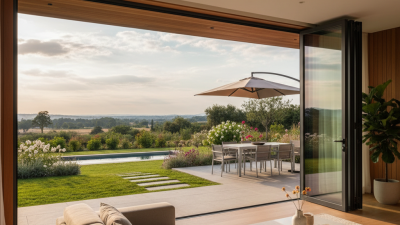

Compare Door Styles for Everyday Use

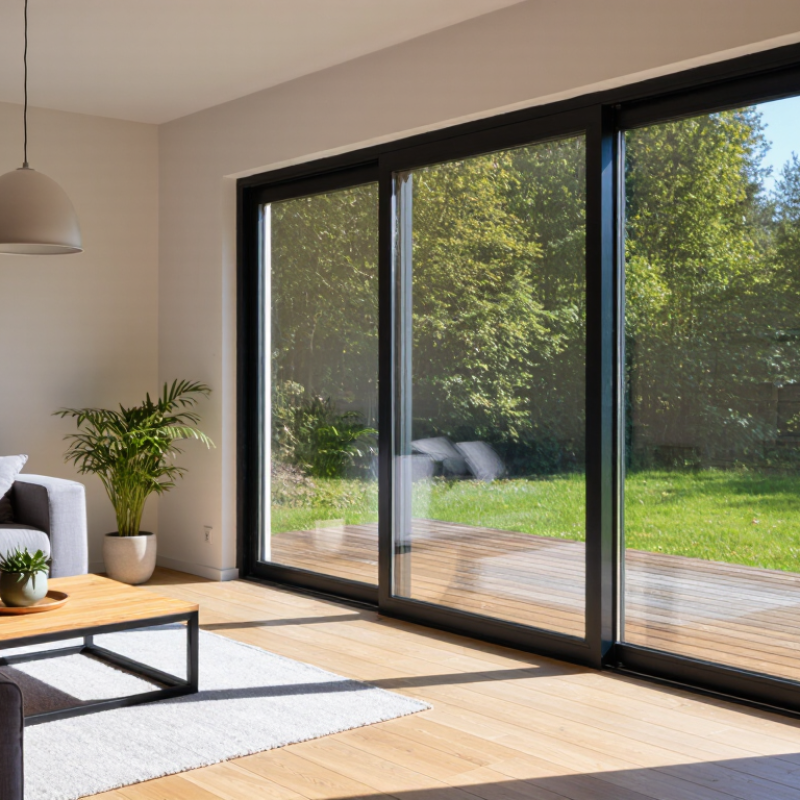
A hinged deck door is familiar and easy to operate, even with groceries in hand. It needs clear floor space, though, and a gust can pull it wide. Check the swing against chairs, steps, and the usual path through the room. Space is tight. A sliding door avoids that arc and suits narrow decks, but its track can collect grit and leaves. Smooth operation depends on keeping that channel clean.

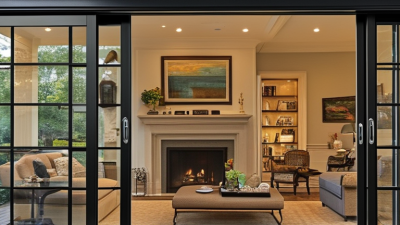
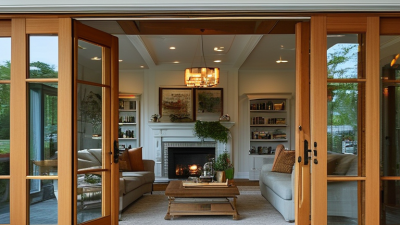
French-style double doors create a broad opening for gatherings and moving bulky furniture. They also need room for both panels, and the center meeting point may feel drafty if the seals are poorly fitted. Folding doors can open much of a wall, yet their multiple panels and hardware call for careful adjustment. For everyday use, ask how often you will open the full width—not just how impressive it looks on a showroom floor.

Looks matter, too. Glass area affects daylight, views, privacy, and cleaning time; fingerprints show quickly on low panes near busy walkways. Compare threshold height and handle placement, especially if people carry trays or use the deck frequently. A low threshold is convenient, but it still needs reliable weather protection. It is easy to overvalue a dramatic opening and overlook daily chores. The best fit may be the quieter door that clears your furniture, seals well, and feels simple to use in wet weather.

Choose Materials and Finishes for Local Conditions

Deck doors face more than foot traffic. They take direct sun, wind-driven rain, salty air, and repeated damp-dry cycles. Start by noting what your doorway actually gets: afternoon glare, standing water, or snow pushed against the sill. Small details matter. Salt leaves residue.

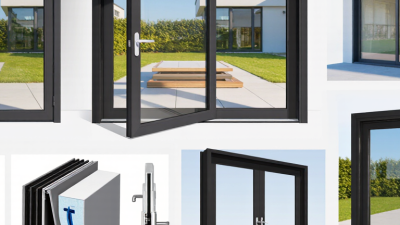
Choose a material suited to those conditions and your maintenance habits. Wood offers warmth and can be repaired, but exposed edges need regular sealing. Fiberglass resists moisture-related swelling and often needs less upkeep. Metal doors can work well, though coastal locations call for corrosion-resistant finishes and compatible hardware. Check the manufacturer’s care instructions; coatings vary. A pale finish may show less heat wear in strong sun, while darker surfaces can become noticeably hot.

The finish is only part of the system. Confirm that the sill drains outward and that flashing directs water away from the wall. In humid areas, inspect corners and lower edges for peeling paint or soft spots each season. I used to focus on color first, which was a little backward; a beautiful finish cannot compensate for poor drainage. Still, local exposure can be hard to predict, especially on a sheltered deck that catches wind from one direction. Choose a finish you can maintain, then revisit it after the first wet season.

Check Measurements, Weather Sealing, and Safety Features

Before ordering a deck door, measure the opening at the top, middle, and bottom. Record the smallest width and height, then check both diagonals for a square opening. A difference can signal a frame that needs adjustment. Measure the finished floor to the threshold, too; even a small step can catch a toe or obstruct a chair. I once trusted an old plan instead of the actual opening. That was a mistake worth remembering.

Weather sealing deserves equal attention. Look for continuous compression seals around the jambs, a tight meeting point, and a threshold that sheds water outward. The U.S. Department of Energy estimates that windows account for 25–30% of residential heating and cooling energy use. That figure is about windows, not deck doors, but it shows why leaky glazed openings deserve scrutiny. Compare NFRC-listed U-factor and solar heat gain coefficient values for the actual door configuration, not just the glass sample. Ratings matter.

For safety, check that the chosen glass is marked for the intended location and ask whether local requirements call for safety glazing. Test the lock from inside, with the door fully closed; it should engage without forcing the handle. A low threshold can help access, but only if it still limits water entry. There is a trade-off. One detail is easy to miss: a screen door may swing into the same narrow landing, so mock up both door paths before installation.

10 Tips for Choosing the Best Deck Doors - Check Measurements, Weather Sealing, and Safety Features

# Decision area What to check Practical guidance
1 Measure the opening Record width at the top, middle, and bottom, and height at the left, center, and right. Use the smallest width and height when assessing the existing opening. Measure from the relevant finished surfaces, and confirm whether the quote requires the door-unit size or the rough-opening size.
2 Check the opening condition Look for out-of-square corners, uneven surfaces, rot, water damage, and a bowed frame. A door may not operate or seal properly in a distorted opening. Have the frame inspected and allow for repairs before finalizing door dimensions.
3 Choose the right configuration Compare hinged, sliding, and multi-panel layouts with the available interior and deck space. Hinged doors need room for the panel’s swing. Sliding panels avoid that swing area but need a clear wall and track space. Check furniture, railings, steps, and traffic paths.
4 Check the threshold and sill Review the sill height, accessibility needs, water-management details, and the transition to the deck. A low or flush threshold can reduce a trip edge but needs careful drainage and installation. Confirm that the sill detail suits the door system and local requirements.
5 Assess weather sealing Look for continuous weatherstripping, tight corner joints, an effective sweep or interlock, and secure seals when closed. Ask how the door limits drafts and water entry at the head, jambs, meeting rails, and sill. Seals need to make contact without preventing smooth operation.
6 Plan flashing and drainage Check how the head flashing, jamb flashing, sill pan, and nearby water-shedding surfaces will be installed. The installation should direct water outward and away from the wall opening. Follow the door manufacturer’s installation instructions and applicable building practices; sealant alone is not a substitute for proper flashing.
7 Compare glazing options Consider insulated glass, low-emissivity coatings, and safety glazing where required by location or code. Glass performance varies by product and climate. Ask for the door’s documented energy-performance ratings, and verify local safety-glazing rules for the specific installation.
8 Review locking and operation Test the handles, locks, latches, rollers or hinges, and the effort needed to open and close the door. Choose hardware that can be operated reliably and locks the panel securely. For sliding doors, check that the panel moves smoothly and engages its lock fully.
9 Consider screens and maintenance Check screen availability, cleaning access, track maintenance, and the care required for the frame finish. A screen can help keep insects out when the door is open, but it is not a security barrier. Ask how to clean tracks and replace weatherstripping or screen components.
10 Confirm installation details Verify the final measurements, fastening method, insulation around the frame, and who is responsible for finishing and inspection. Require installation in accordance with the door instructions and applicable local codes. Confirm that the finished door opens, closes, locks, and seals correctly before accepting the work.

Measurement and code note: Door sizing, rough-opening allowances, safety-glazing requirements, and installation details vary by product and location. Confirm final dimensions and applicable requirements with the installer or local building authority before ordering.

Balance Energy Efficiency, Maintenance, and Budget

Choosing a deck door means weighing its price against the energy and upkeep costs that follow. The U.S. Department of Energy estimates that heat loss and gain through windows account for 25–30% of household heating and cooling energy use. That figure is not specific to deck doors, but it shows why glass area and air leakage deserve attention. ENERGY STAR reports that certified windows can reduce household energy bills by about 12% on average compared with non-certified windows. Actual savings vary by climate, installation, and home.

Tip: Compare whole-door U-factor ratings; lower values indicate better insulation. Check the solar heat gain coefficient, too, since a sunny west-facing deck may need different glazing than a shaded one. Use the National Fenestration Rating Council label to compare rated products. Ask for installation costs in writing. Small gaps matter.

Budget for maintenance, not just the checkout price. Wood can look warm beside a cedar deck, but often needs periodic sealing or paint. Fiberglass and vinyl generally need less routine attention, though frames, seals, and hardware still deserve inspection. Check the sill after rain, and look for drafts on cold days. A cheaper door can be a false economy if it leaks or sticks. There is no perfect choice; I would revisit the budget after comparing local energy needs and the time you can realistically spend on upkeep.

Choosing Deck Doors: A Glazing Efficiency Benchmark

Lower U-factors indicate better insulation. These maximum reference limits vary by climate zone and apply to residential window glazing—not specifically to deck doors. Use them as a comparison guide, and check the performance rating of each door you consider.

Reference U-factor limits: Northern 0.22, North-Central 0.25, South-Central 0.28, and Southern 0.32. Lower is better; actual door performance varies by product.