How to Choose Fiberglass Patio Doors in 2026?
Choosing fiberglass patio doors in 2026 requires more than comparing colors, prices, and showroom displays. The right door must suit your climate, wall structure, daily habits, and long-term maintenance expectations. Fiberglass patio doors can resist moisture, temperature changes, and surface fading, but performance still depends on glass quality, frame design, weather seals, drainage, and installation. A beautiful door can still leak.
Scott Sidler, a building-envelope consultant and restoration contractor, has said, “A window is only as good as its installation.” The same principle applies to patio doors. Even a strong fiberglass frame may perform poorly when installers ignore sill pan protection, flashing, or proper shimming. That detail matters.
This guide examines the features worth checking in 2026. It considers low-E glass, U-factor, solar heat gain, air leakage, security hardware, accessible thresholds, and manufacturer warranties. Look for independently verified performance data, such as NFRC ratings and applicable FGIA certification. Do not rely only on marketing language. Some claims sound impressive. They may not explain the testing conditions.
Measure the opening carefully. Watch how sunlight crosses the room. Notice wind exposure, nearby sprinklers, and the direction of water runoff. These small observations can change your decision. A wider opening may improve ventilation, yet it can increase structural and installation demands. The cheapest option may be acceptable, but only when its limits are understood. Good selection is not about finding a perfect door. It is about reducing expensive surprises.
Define Your Patio Door Needs and Installation Conditions
How to Choose Fiberglass Patio Doors in 2026?
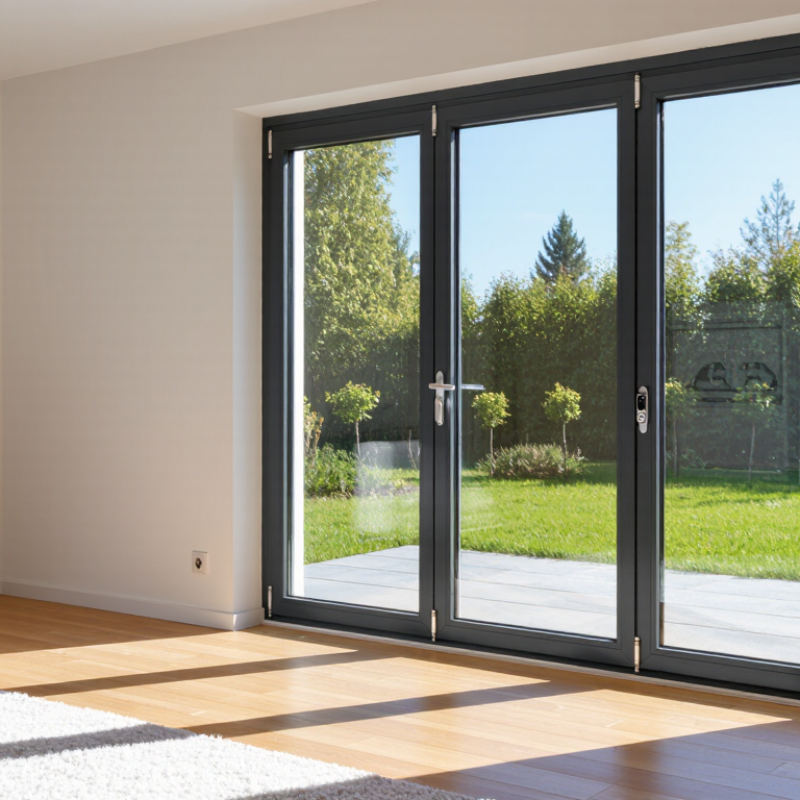
Before comparing fiberglass patio doors, define how your household will use the opening. Measure the wall, not just the existing frame. Record width, height, sill depth, and the direction of door travel. A busy kitchen may need a wide opening and smooth operation. A quiet study may benefit more from insulation and sound control. Consider children, pets, furniture movement, and wheelchair access. Small details matter.
Study the installation conditions carefully. Check whether the wall is wood-framed, masonry, or already damaged by moisture. Inspect the sill, subfloor, and exterior drainage path. Fiberglass resists warping, but poor water management can still damage surrounding materials. Keep the threshold above standing water. In cold regions, confirm the required insulation and flashing methods. Local building requirements may affect safety glass, opening size, and emergency access.
Accurate measurements prevent expensive surprises. Leave space for shimming and seasonal movement, according to the installation instructions. A level opening is essential. It sounds simple. It often is not.
I would not trust a quick tape-measure estimate alone. Walls can lean, floors can slope, and older homes rarely stay perfectly square. Ask a qualified installer to verify the opening before ordering. Discuss trim, drainage, fasteners, and interior finishing in writing. A door can look excellent in a showroom yet perform poorly when installed over a wet or uneven sill. Recheck the plan after removing the old frame. That extra pause may reveal the problem.
Compare Fiberglass Door Styles, Sizes, and Opening Configurations
Choosing fiberglass patio doors in 2026 starts with movement, not decoration.
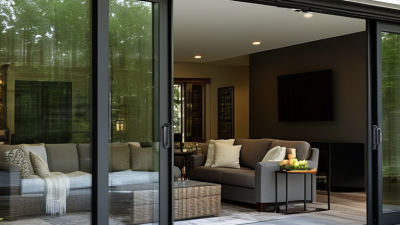
A sunny room, narrow terrace, or busy family entrance needs a different layout. Sliding doors save interior space and suit compact rooms. Hinged French-style doors create a wider, more traditional opening. Folding systems can connect rooms to gardens, but they need clear floor space and accurate installation. I have seen homeowners choose folding panels for appearance, then regret losing furniture space. That detail matters.
Fiberglass frames work well in damp climates because they resist swelling and many forms of rot. Yet performance depends on glass, seals, drainage, and installation. Measure the rough opening, finished floor height, wall depth, and exterior clearance. Common panels range from single-door units to multi-panel spans. Larger glass areas provide light, but heavier panels demand stronger hardware and careful alignment. Do not assume a standard size will fit. A few millimeters can change the installation plan.
Compare left-, right-, and center-opening configurations before ordering. A center-opening slider can balance a large wall, while an offset opening may protect a preferred walkway. In-swing doors require indoor clearance; out-swing doors need weather-resistant thresholds and unobstructed exterior space. For accessibility, check threshold height, handle reach, and smooth operation. Ask for verified thermal, air, and water performance data. Local exposure still matters. Coastal wind, winter freeze, and intense sun can reveal weaknesses that showroom lighting hides. Good selection is less about the biggest opening and more about how the door behaves every day.
Evaluate Energy Efficiency, Glass Options, and Weather Resistance
How to Choose Fiberglass Patio Doors in 2026?
Energy efficiency should be your first practical check. Fiberglass frames resist warping during hot summers and freezing winters. Look for low-E glass, warm-edge spacers, and insulated cores. Double-pane glass suits many mild regions. Triple-pane glass can reduce heat loss in colder climates. However, thicker glass may add weight and cost. Ask for the door’s U-factor and solar heat gain coefficient, not vague efficiency claims.
Glass placement matters too. South-facing rooms may need lower solar heat gain. This can reduce afternoon glare and overheating. North-facing openings often benefit from higher solar gain. Consider laminated glass near busy streets or play areas. It improves noise control and holds together when broken. A small sample beside your wall paint can reveal unwanted tint. I once underestimated this detail, and the room looked noticeably cooler afterward.
Weather resistance depends on installation as much as materials. Check the sill design, compression seals, drainage paths, and wind rating. The threshold should shed water away from the interior floor. Ask the installer how flashing will connect with the wall barrier. After installation, inspect corners during heavy rain. A tiny draft near the handle signals trouble. Fiberglass is durable, but it is not maintenance-free. Clean the tracks, examine seals yearly, and confirm that replacement parts remain available. A qualified installer should document measurements and test the latch before leaving.
Check Security Features, Hardware Quality, and Accessibility
Choosing fiberglass patio doors in 2026 means looking beyond the frame’s clean appearance. Security deserves a hands-on check, not a brochure claim. Test the lock with the door fully closed. A solid latch should engage without forcing the handle. Look for a multi-point system, reinforced strike areas, and hinges that resist easy removal. Laminated glass can slow forced entry and reduce dangerous shards after impact. Ask for tested performance data. Vague promises are not enough.
Hardware quality often reveals the door’s real value. Choose corrosion-resistant components, especially near salty air or frequent rain. The handle should feel firm, with no grinding or loose movement. Rollers must support the panel without dragging across the track. Open and close it repeatedly. Small friction today may become a daily annoyance later. I would also inspect screw alignment and weather seals, because rushed installation can weaken excellent materials. This is where my judgment can be imperfect; a smooth showroom sample does not guarantee a smooth installed door.
Accessibility should be measured at the threshold, handle, and opening width. A low, beveled sill helps wheelchair users, children, and anyone carrying groceries. Lever handles are usually easier than small round knobs. Check reach height, operating force, and whether the open panel leaves enough passage space. Contrast between the handle and frame can help people with limited vision. Request installation tolerances in writing. Then test the finished door yourself, preferably with the furniture in place. A beautiful entrance still fails if daily movement feels awkward.
Balance Long-Term Durability, Maintenance, Warranty, and Cost
How to Choose Fiberglass Patio Doors in 2026?
Fiberglass patio doors deserve evaluation beyond appearance. During home inspections, I have seen attractive doors fail because installers ignored drainage and alignment. Fiberglass resists moisture, warping, and temperature changes better than many wood-based materials. However, it is not maintenance-free. Check the frame corners, sill, rollers, weatherstripping, and drainage channels. A solid door should open smoothly without scraping. Small details matter.
Long-term value depends on more than the purchase price. Compare the door, glass package, delivery, installation, and future hardware costs. Ask for the U-factor and solar heat gain coefficient for your climate. Low-emissivity glass can improve comfort, but upgraded glass increases the initial cost. Sometimes, the expensive option is unnecessary. Sometimes, choosing the cheapest option creates higher heating bills.
Read the warranty carefully. Confirm coverage for the frame, finish, glass seal, hardware, and installation labor. Check whether the warranty transfers when the home is sold. Also, identify exclusions for coastal air, improper installation, or neglected drainage. Warranty language can sound reassuring. It may still leave important repairs uncovered. Request written installation standards and keep invoices, photographs, and maintenance records. Clean the tracks regularly, lubricate compatible hardware, and inspect seals each season. I still prefer testing a sample door in person, because brochures cannot show a stiff roller or a poorly sealed corner.
How to Choose Fiberglass Patio Doors in 2026?
Balancing long-term durability, maintenance, warranty coverage, and total cost
This planning model gives the greatest weight to durability and maintenance because fiberglass frames resist moisture, rot, and dimensional movement. Warranty coverage and purchase cost remain important, but the lowest initial price may not provide the best long-term value.