Top 10 Black Sliding Glass Doors for Modern Homes
Black sliding glass doors bring crisp lines, generous daylight, and a strong connection between indoor and outdoor spaces. Their dark frames can define a room without adding heavy visual clutter. In a modern home, that contrast works especially well beside pale walls, warm wood floors, or a simple concrete patio. Small details matter.
This guide explores ten options for different layouts, budgets, and design preferences. It considers frame materials, glass choices, opening configurations, and practical features such as locking hardware and screen compatibility. A slim aluminum frame may suit a contemporary renovation, while a thermally improved design can be worth considering in a climate with cold winters or hot summers. Always check product specifications and consult a qualified installer about measurements, structural support, and local energy requirements.
Appearance alone is not enough. Look for smooth, stable movement, clear warranty terms, and glazing suited to your privacy and comfort needs. A low threshold can make the transition easier, but it may require careful attention to drainage. Installation quality also affects how well the door seals and operates over time. A sleek photo cannot show how a door feels on a windy evening. That is worth remembering. Even a well-reviewed model may not fit every home, and comparing finishes in person can reveal differences that photographs hide. These selections are a starting point, not a substitute for checking the opening and your household’s daily needs.
What Defines a Black Sliding Glass Door in Modern Home Design
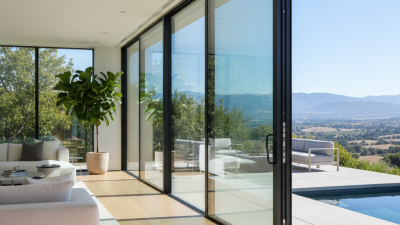
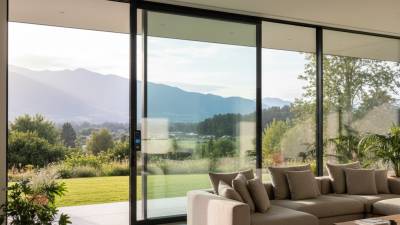
A black sliding glass door is defined by more than its dark frame. In modern homes, it pairs broad glass panels with slim, dark rails that create clear sightlines and a crisp edge. The contrast can make pale walls, timber floors, or garden greenery feel more deliberate. It also creates a visual boundary without blocking much daylight. That matters.
Proportion and performance shape the design. Narrow stiles often look quieter, but the frame still needs enough strength for the panel size. Track depth, handle shape, glass clarity, and the meeting point between panels all affect the finished look. A matte finish softens reflections; a glossy one may show fingerprints. Black is not automatically minimal. Bulky hardware or poor alignment can make the door feel heavy.
Tips: Check a frame sample beside your flooring and wall color, not under showroom lighting. Slide the panel several times and listen for rubbing or rattling. Ask how the track should be cleaned, especially where dust collects. For large or exposed openings, confirm appropriate glazing and weather sealing with a qualified installer. Small details count.
Frame Materials, Glass Types, and Sliding Mechanisms
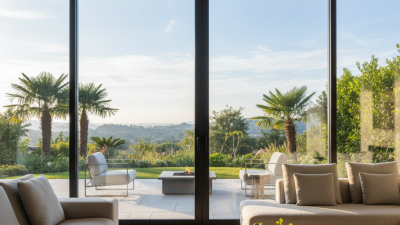
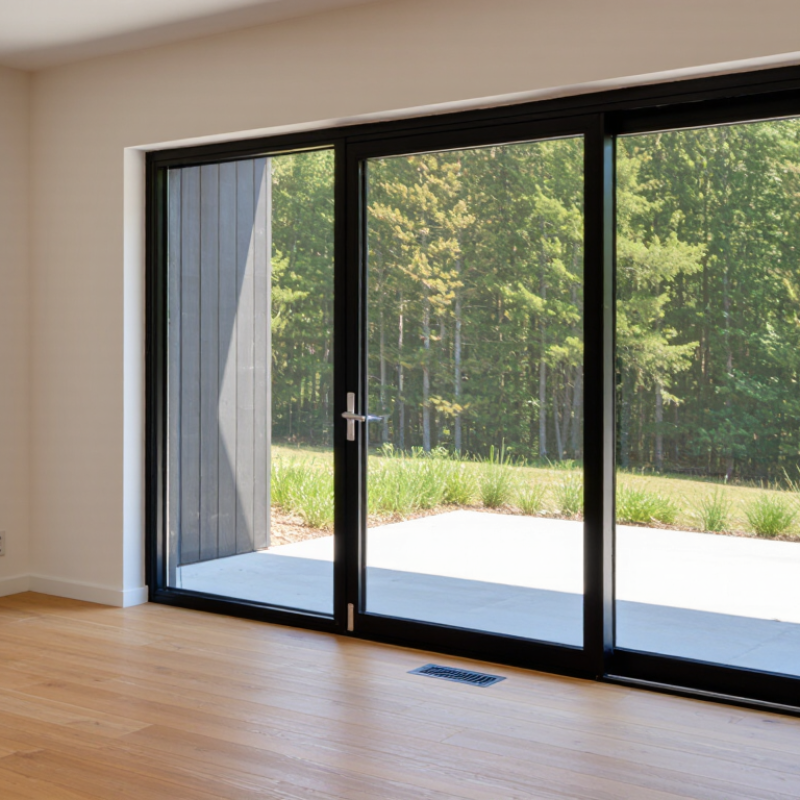
Black sliding glass doors pair a strong dark outline with open, daylight-filled views.
Frame material affects both appearance and daily use. Thermally broken aluminum is relatively light and resists corrosion, but its finish can show scratches. Steel allows narrow sightlines and a crisp profile, though it is heavier and may need more care against rust. Timber softens the look and adds warmth; check its finish and maintenance needs before choosing it.
Details matter.
Glass changes comfort as much as appearance.
Clear glass brings in generous light, while tinted or patterned glass offers more privacy but can reduce brightness. Low-emissivity glass can help limit heat transfer, though the right specification depends on climate and orientation. For safety, ask whether the proposed glazing is suitable for the door’s location and local requirements.
A sunny west-facing room may feel very different from a shaded hallway.
The sliding mechanism deserves a close look.
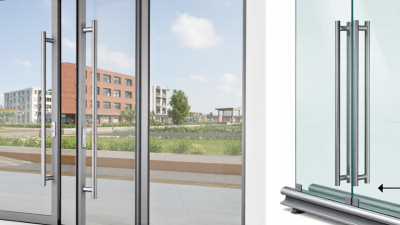
A top-hung system keeps the floor clear, but the overhead structure must support its weight. Bottom tracks carry the load more directly, yet collect grit that can make panels drag. Rollers should move smoothly, and the frame should include a secure locking point. Black surfaces can highlight dust and fingerprints.
One easy-to-miss trade-off.
Before ordering, measure the opening in several places; walls and floors are rarely perfectly square.
How to Compare Size, Efficiency, Security, and Installation Needs
Top 10 Black Sliding Glass Doors for Modern Homes
Compare black sliding glass doors by more than appearance. Measure the finished opening at several points; older walls are rarely perfectly square. Check the panel width, track depth, and clearance for curtains or nearby furniture. A door that looks generous in a showroom may narrow a compact room’s usable wall space.
For efficiency, review the glass package and published U-factor and solar heat gain coefficient. Lower heat transfer can help in cold regions, while strong sun may call for different glazing. Ask whether the frame includes thermal breaks and weather seals. These details matter. A dramatic black frame can also show dust and fingerprints more readily than expected, so upkeep deserves a place in the comparison.
Tips: Confirm that the quoted size matches the rough opening, not just the glass panel. Ask about tempered or laminated glass, lock design, and the installer’s plan for flashing and drainage. A secure lock helps, but no single feature guarantees security. Before ordering, check whether the wall can support the unit and whether the floor is level. Installation details are easy to underestimate; even a small alignment error can make sliding feel rough.
Top 10 Black Sliding Glass Door Styles for Modern Homes
Black sliding glass doors bring a crisp outline to modern rooms, but frame style changes the effect. Slim-frame black sliders keep sightlines open and suit compact patios. Divided-lite grids add rhythm to a plain façade. Industrial mullions create a stronger, loft-like pattern. Minimalist flush-frame designs keep attention on the glass. French-style meeting rails give a familiar divided-door look without a swing arc. A strong contrast. Not every room.
For wider openings, multi-panel sliders stack panels to one side, while corner-opening systems connect two glass walls. Pocketing sliders disappear into the wall, though they need space inside the wall cavity. Frosted-glass versions soften views in bathrooms or close-set homes. Black frames paired with warm wood interiors temper the cooler metal finish. DOE’s Energy Saver guidance says windows account for about 25–30% of household heating and cooling energy use through heat gain and loss. That figure makes glazing, seals, and installation worth checking alongside appearance. Ask for whole-unit performance ratings, not just glass specifications; a beautiful narrow frame can still feel drafty if the fit is poor. I’d also test the handle and track in person. Small details matter.
Care, Maintenance, and Long-Term Performance
Black sliding glass doors keep their sharp appearance when grit and moisture are removed before they wear down moving parts. Vacuum the track, including the corners, then wipe it with a damp cloth. Small habits matter. Wash the black frame with mild soap and water; abrasive pads can dull its finish. Check the drainage openings along the sill after heavy rain, and clear leaves or dust with a soft brush. Inspect weatherstripping for splits and feel for drafts around the closed panel. If rollers grind or the door sticks, avoid forcing it; misalignment can worsen. Follow the door maker’s care instructions for lubrication and adjustments.
Long-term performance also depends on glazing and seals, not just a clean frame. The U.S. Department of Energy estimates that windows account for 25–30% of residential heating and cooling energy use. That figure covers windows broadly, but it explains why damaged seals or poorly closing panels deserve attention. Check the National Fenestration Rating Council label when comparing replacement glass; its U-factor and solar heat gain coefficient describe tested energy performance. A simple seasonal check can catch trouble early. Still, owners often overlook the bottom track until water appears indoors. That is not ideal. Keep dated notes of repairs, especially after storms, so recurring leaks or roller problems are easier to diagnose.
Top 10 Black Sliding Glass Doors for Modern Homes: Care, Maintenance, and Long-Term Performance
A practical annual maintenance schedule for sliding glass doors. These are suggested task frequencies, not product-specific requirements; adjust them for local weather, use, and manufacturer guidance.
Keeping tracks clear, checking seals and drainage, and cleaning the glass and frame can help a sliding door operate smoothly over time. Clean or inspect more often when dust, debris, or heavy use calls for it.