Why Choose Wpc Decking for Your Outdoor Space Needs?
In the quest for the perfect outdoor space, Wpc Decking emerges as a popular choice among homeowners. Known for its durability and aesthetic appeal, this composite material is increasingly in demand. According to Maria Thompson, a renowned expert in outdoor design, “Wpc Decking provides the ideal blend of beauty and resilience.”
Choosing Wpc Decking means embracing a solution that withstands the elements. It resists rotting, warping, and fading more effectively than traditional wood. This durability translates into long-term savings and less maintenance. However, not all Wpc products are created equal. Homeowners should conduct thorough research and consider the environmental impact of their selection.
While Wpc Decking offers many advantages, it also invites scrutiny. Some argue that it may lack the authentic feel of natural wood. This gap can affect a homeowner’s connection to their outdoor space. Thus, investing in Wpc Decking raises important questions about personal preference. Ultimately, it's essential to weigh the benefits against your vision for your ideal outdoor environment.
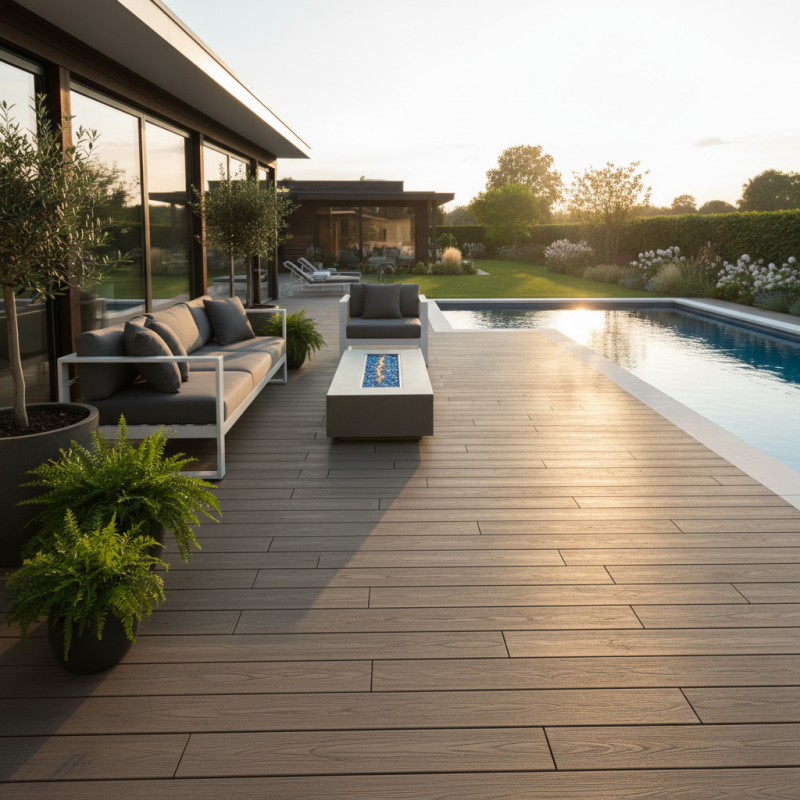
Understanding WPC Decking: What It Is and How It Works
WPC decking is gaining popularity for outdoor spaces due to its unique composition. WPC, or wood-plastic composite, combines wood fibers with recycled plastic. This blend results in a durable material that is resistant to moisture, rot, and insects. According to industry reports, WPC decking can last up to 25 years with proper care. This longevity makes it a cost-effective choice for homeowners.
One of the standout features of WPC decking is its low maintenance requirement. Unlike traditional wood, it does not need regular staining or sealing. A simple wash with soap and water is often enough to keep it looking fresh. However, early studies have shown that it can fade over time, especially in direct sunlight. Homeowners need to weigh these pros and cons carefully before making a decision.
WPC decking also offers versatility in design. It can mimic the look of natural wood while providing various colors and textures. This adaptability meets diverse aesthetic preferences. As per recent surveys, 65% of homeowners prioritize visual appeal when selecting outdoor materials. Yet, some users report dissatisfaction with its feel compared to authentic wood. It's crucial for potential buyers to experience WPC decking in person before purchasing.
Benefits of WPC Decking for Outdoor Spaces
When it comes to enhancing your outdoor spaces, WPC decking offers remarkable benefits. WPC, which stands for Wood-Plastic Composite, combines wood fibers with recycled plastics. This results in a durable, weather-resistant surface that can withstand varying climates. Unlike traditional wood, WPC won’t warp or splinter easily over time. This makes it a safer option, especially for families with children or pets.
Another significant advantage of WPC decking is its low maintenance requirement. You won’t need to sand, stain, or seal it regularly. A simple wash with soap and water is usually enough to keep it clean. This provides you with more time to enjoy your outdoor space rather than maintaining it. However, it’s important to acknowledge that not all WPC products are created equally. Some may fade in color or become slippery when wet. Researching and selecting the right quality composite can make all the difference.
Environmentally, WPC decking is a wise choice. It uses recycled materials, helping to reduce waste. Although not entirely perfect, it offers a sustainable alternative to traditional materials. It’s crucial to weigh the benefits against potential drawbacks. Overall, WPC decking provides a practical, attractive solution for outdoor areas, supporting both aesthetic and functional needs.
Comparing WPC Decking to Traditional Wood Options
When considering outdoor decking options, many are torn between WPC decking and traditional wood. WPC, or wood-plastic composite, offers a unique blend of durability and aesthetics. Unlike traditional wood, WPC does not warp or splinter, making it safer for families and pets. It resists moisture and insects effectively. This means less maintenance and more time to enjoy your outdoor space.
However, the initial cost of WPC can be higher than that of wood. For those on a tight budget, this is a significant factor. Traditional wood can be more readily available and often appears more natural. Each plank has its unique grain, which some homeowners love. But wood requires regular sealing and treatment to maintain its appearance and protect against decay. The long-term costs associated with wood maintenance can add up quickly.
Choosing between WPC and traditional wood often comes down to personal priorities. If you value low maintenance and long-lasting durability, WPC is a strong contender. However, if you prefer the authenticity of wood and don't mind putting in the work, traditional options may be a better fit. Balancing these factors can lead to a more satisfying decision for your outdoor space.
Environmental Impact of WPC Decking: A Sustainable Choice
WPC decking, made from wood-plastic composites, is gaining popularity for outdoor spaces. One key reason is its environmental impact. This material blends recycled wood fibers and plastic, which reduces waste in landfills. By choosing WPC, consumers help minimize deforestation and plastic pollution.
However, it is essential to consider the sourcing of materials. While WPC is often more sustainable than traditional wood, the manufacturing process still requires energy. Some products may not use fully recycled materials. It is crucial to seek reputable suppliers that prioritize sustainability.
Another aspect to reflect on is durability. WPC decking resists rot, insects, and weather damage, making it last longer than conventional wood. This longevity contributes to its sustainability, but not all WPC products perform equally. Researching different options can lead to better choices for long-term use.
Environmental Impact of WPC Decking: A Sustainable Choice
This bar chart illustrates the environmental advantages of WPC decking compared to traditional materials like wood and plastic. It highlights the reduction in carbon footprint, recyclability, and lifespan, showcasing WPC as a sustainable choice for outdoor spaces.
Installation and Maintenance Tips for WPC Decking
When considering WPC (Wood-Plastic Composite) decking for your outdoor space, installation and maintenance are key. WPC decking offers a blend of wood and plastic, making it a popular choice for homeowners. Due to its durability, over 30% of homeowners prefer WPC over traditional wood decking. This preference often stems from WPC’s resistance to fading, moisture, and insects.
For installation, ensure the substructure is stable and level. A well-prepared base is crucial. Allow for adequate spacing between boards to accommodate expansion. It's advisable to use stainless steel screws as they resist rust, contributing to long-term stability. Additionally, consider sealing the boards after installation. This can enhance their lifespan by protecting against moisture damage.
Maintenance for WPC decking involves regular cleaning. A simple soap-and-water solution can remove dirt and grime. However, avoid harsh chemicals as they may degrade the material. A survey indicated that 75% of WPC decking users experienced minimal maintenance compared to traditional wood. While WPC is low-maintenance, it is not immune to scratching or fading over time. It’s essential to address these issues promptly to keep the decking looking new. Regular inspections can help identify potential problems early on.