10 Tips for Choosing Awning Windows for Your Home
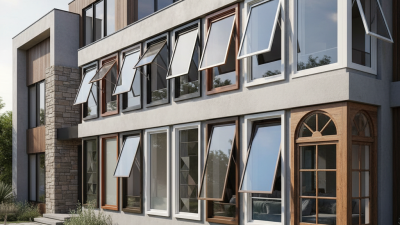
Choosing the right windows for your home is crucial. Awning windows are a popular choice for many homeowners. These windows offer functionality and style. They open outward, allowing fresh air to enter while keeping out rain.
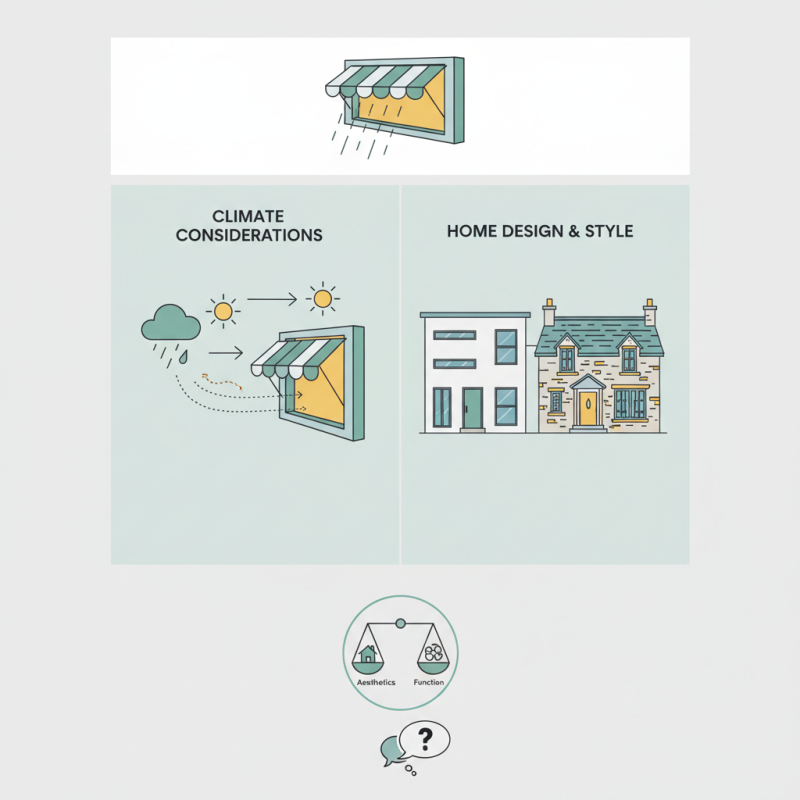
When selecting awning windows, there are essential factors to consider. First, think about the climate in your area. Do you experience heavy rainfall? Awning windows might be perfect for you. They can be left open during light rains, enhancing ventilation without water entering your home.
Also, consider the design of your home. Awning windows come in various sizes and styles. This can enhance your home's overall appearance. However, remember that not every style will work with all architectural designs. A careful selection is needed. Reflect on your needs and preferences. Balancing aesthetics with function is key.
Understanding Awning Windows: Features and Benefits for Homeowners
Awning windows are a popular choice among homeowners, and for good reasons. They are hinged at the top and swing outward. This design allows for excellent ventilation, even during a rain. According to a study by the Window and Door Manufacturers Association, awning windows can improve energy efficiency by 15-20%. This is crucial for reducing heating and cooling costs.
One key feature of awning windows is their ability to keep water out while allowing fresh air in. This is particularly beneficial in areas with unpredictable weather. Yet, some homeowners overlook proper sealing. This can lead to leaks, which may cause costly damages over time. Proper installation is vital for maximizing their benefits.
Furthermore, aesthetic appeal cannot be ignored. Awning windows add a unique charm to homes. They come in various styles and sizes, fitting different architectural designs. However, the visual impact might not be suitable for every house. Some homeowners report dissatisfaction with how the windows affect their home’s exterior. Balancing form and function is essential when choosing these windows.
10 Tips for Choosing Awning Windows for Your Home
| Feature |
Benefit |
Considerations |
| Ventilation |
Allows for excellent airflow while protecting from rain. |
Ensure placement for optimal wind direction. |
| Energy Efficiency |
Helps reduce heating and cooling costs. |
Look for double-glazed options for better insulation. |
| Aesthetic Appeal |
Enhances the beauty of your home exterior. |
Choose designs that complement your home architecture. |
| Durability |
Resistant to harsh weather conditions. |
Opt for high-quality materials like fiberglass or vinyl. |
| Low Maintenance |
Requires less frequent upkeep compared to other window types. |
Select finishes that resist dust and grime. |
| Safety |
Can be locked securely when closed. |
Check locking mechanisms to ensure reliability. |
| Variety of Sizes |
Can fit in numerous spaces and configurations. |
Measure your available space carefully. |
| Noise Reduction |
Can help block out external sounds. |
Choose windows with soundproofing features for optimal performance. |
| Accessibility |
Easy to operate even in hard-to-reach areas. |
Consider crank mechanisms for easier usability. |
| Environmental Impact |
Can help reduce carbon footprint through energy savings. |
Research eco-friendly materials and production methods. |
Evaluating Energy Efficiency Ratings for Awning Windows
When selecting awning windows, energy efficiency ratings should be a top priority. These ratings indicate how well a window conserves energy. Look for the Energy Star label, which shows the window meets energy efficiency standards. This label helps you make a more informed choice.
Consider the U-factor and solar heat gain coefficient (SHGC) when evaluating options. A lower U-factor represents better insulation. A high SHGC can mean more heat gain in summer, which may not be ideal. Be cautious, as some windows may discourage proper airflow. It's crucial to balance ventilation needs with energy efficiency.
You may find it tempting to prioritize aesthetics over efficiency. An attractive window can enhance curb appeal. However, if it doesn’t perform well, you could face higher energy bills. Reflect on your climate and home layout for the best results. An informed choice will lead you to better comfort and savings.
Energy Efficiency Ratings for Awning Windows
Choosing the Right Materials: Wood, Vinyl, or Aluminum Frames
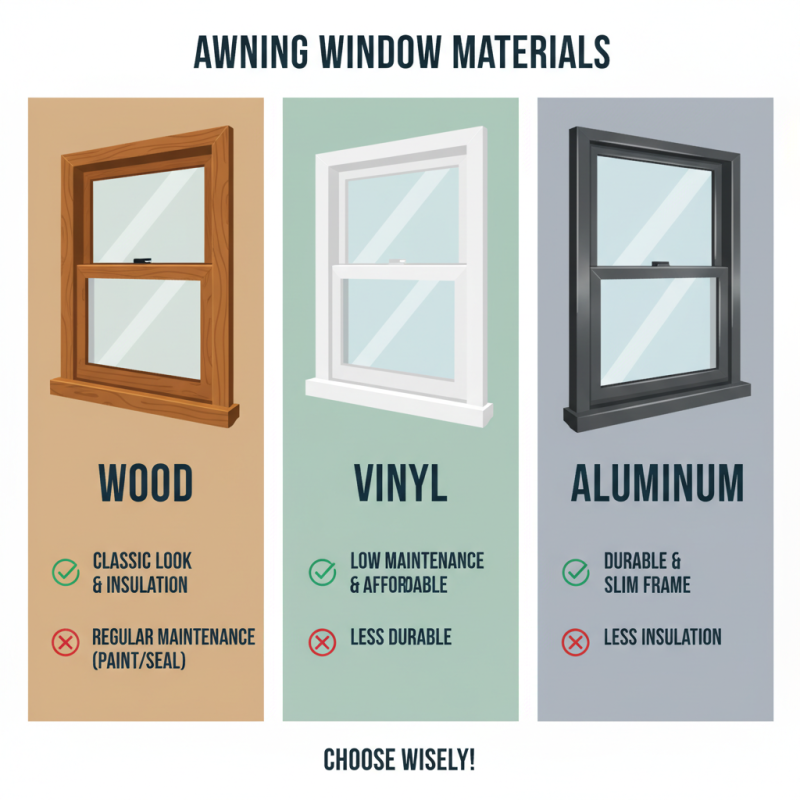
When selecting awning windows, choosing the right materials is crucial. Wood, vinyl, and aluminum all have their pros and cons. Wood offers a classic look and great insulation. However, it requires regular maintenance to prevent rot. You may love the warmth of wood, but think about the upkeep. Will you commit to repainting or sealing every few years?
Vinyl, on the other hand, is low-maintenance and energy-efficient. It resists moisture and doesn't need painting. Its color options can be limited, which may not appeal to everyone. If you want a specific shade, you might need to compromise. Aluminum frames provide strength and are weather-resistant. Yet, they conduct heat and cold, which can affect energy bills.
Evaluating your priorities is essential. Do you seek aesthetic appeal or lower maintenance? Each material has its challenges. Take some time to reflect on your home's style and your lifestyle. The right choice should align with both your practical needs and design preferences.
Window Placement and Sizing Considerations for Maximum Ventilation
When considering awning windows, placement and sizing are crucial for achieving optimal ventilation. According to the American Institute of Architects, proper window placement can enhance air circulation by 10-30% in a room. Choosing to install awning windows high on the wall allows for effective heat escape while still maintaining privacy. This strategic positioning captures breezes effectively, channeling them into the living space.
Sizing also plays an essential role. The average window height in most homes is around 3 feet. However, awning windows offer flexibility. They can be installed wider than they are tall. This is important for maximizing airflow. A study by the National Fenestration Rating Council found that larger windows can improve natural ventilation by up to 50%. Yet, it’s important to note that oversized windows may lead to excess heat gain.
Evaluate the surrounding landscape too. Nearby trees or buildings can obstruct airflow and diminish the benefits of your awning windows. Obstructions can reduce ventilation efficiency by 15% or more, according to research from the Building Science Corporation. Thoughtful consideration of placement, sizing, and environmental factors will enhance both your indoor comfort and energy efficiency.
Cost Analysis: Budgeting for Awning Windows Installation and Maintenance
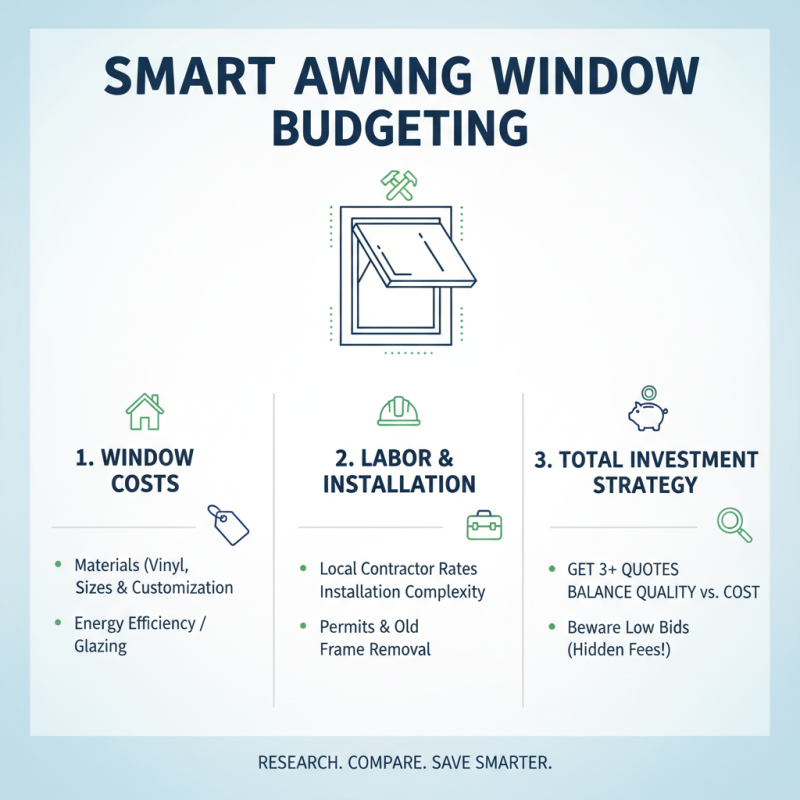
When budgeting for awning window installation, consider various factors. The initial cost includes the windows themselves, which can vary widely. Prices often depend on materials, sizes, and local labor rates. Researching local contractors can yield better estimates. Sometimes, the lowest bid may lead to unforeseen expenses or subpar work. Seek multiple quotes to find a balance between quality and cost.
Maintenance is another crucial aspect. Awning windows require periodic inspection and cleaning. Dust and debris can accumulate in the hinges and seals. This upkeep can be minor but should not be overlooked. Plan for potential repairs, too. Unexpected issues may arise, leading to additional costs. Neglecting maintenance can shorten the lifespan of your windows, ultimately increasing expenses in the long run.
Incorporating awning windows can enhance both the aesthetics and functionality of your home. However, it’s essential to approach the financial aspects realistically. Budgeting for both installation and future maintenance will help you avoid future headaches. Think through these costs wisely before making a final decision.