10 Essential Tips for Choosing Sliding French Doors for Your Home?
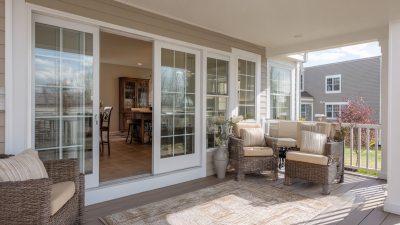
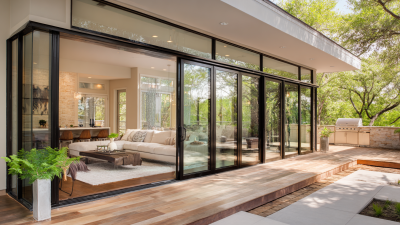
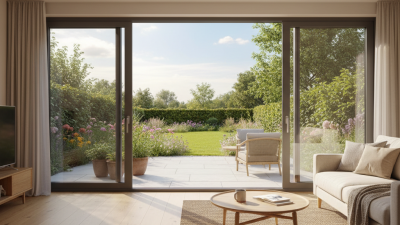
Choosing sliding French doors for your home can be a transformative experience. These doors elegantly blend indoor and outdoor spaces. They offer a touch of sophistication while enhancing natural light flow. However, selecting the right ones requires careful consideration.
When you think about sliding French doors, envision the style that suits your home. Are you drawn to modern glass designs or classic wooden frames? The material can affect both aesthetics and functionality. Additionally, consider the door's size. Too large may overwhelm a small space. Too small can make a grand entryway seem uninviting.
Don't forget to reflect on energy efficiency as well. Quality sliding French doors can save on heating and cooling costs. They should have good insulation to prevent drafts. Take your time and explore various options. This choice is significant and can impact your comfort.
Understanding the Benefits of Sliding French Doors for Your Home
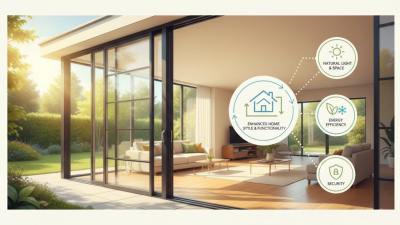
Sliding French doors bring a unique charm to any home. They blend indoor and outdoor spaces seamlessly. These doors are large and can flood your room with natural light. Imagine the warm sun filling your living space. Not only do they enhance aesthetics, but they also improve functionality. You can create a welcoming entrance to your patio or garden.
Additionally, sliding French doors offer practical benefits. They save space since they don’t swing open. This feature allows you to place furniture close without obstruction. Furthermore, they are energy-efficient when properly installed. A well-sealed door can help maintain internal temperature. But, you need to choose the right materials. Wood, vinyl, or fiberglass each have their pros and cons. Reflect on your climate and maintenance preferences.
However, they do have some drawbacks. They might require more cleaning due to large glass surfaces. Fingerprints and smudges are hard to avoid, especially with kids. Some homeowners find the sliding mechanism can be burdensome. Maintenance issues can arise with weather elements over time. Think about your lifestyle and how often you can commit to upkeep. These factors are essential before making a decision.
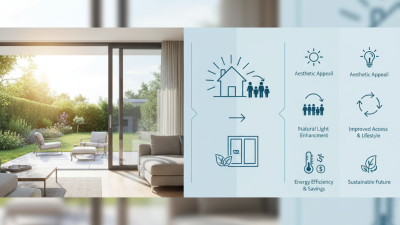
Benefits of Sliding French Doors
Evaluating Different Materials for Sliding French Doors
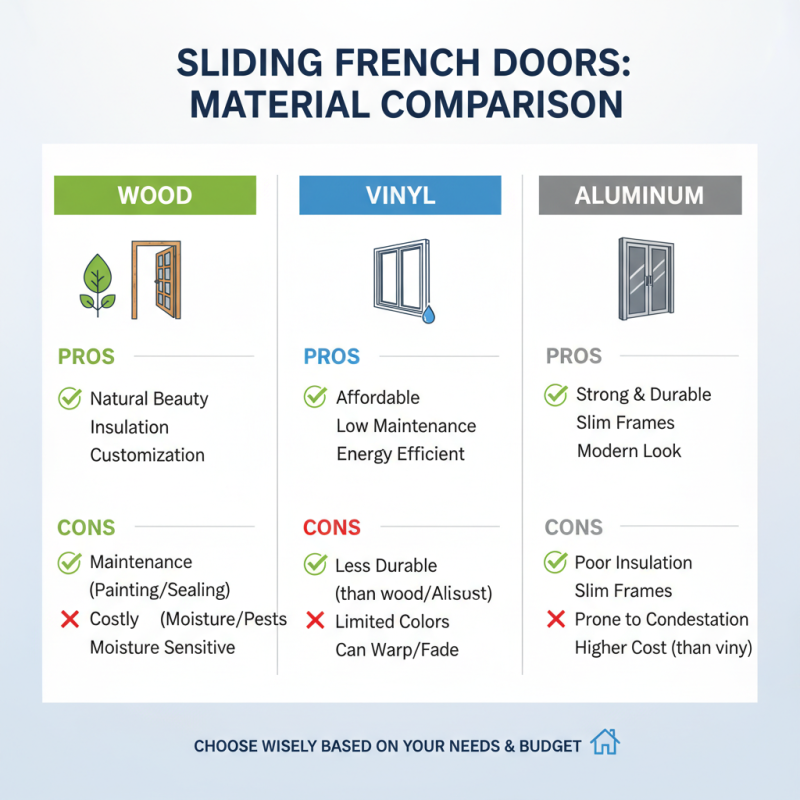
When choosing sliding French doors, evaluating materials is crucial. The three most common materials are wood, vinyl, and aluminum. Each has its pros and cons, and understanding these can help you make a better choice.
Wood offers natural beauty. It has excellent insulation properties, which can save energy. However, wood may require regular maintenance to avoid rot and warping. A 2021 survey indicated 30% of homeowners struggle with maintenance issues. Vinyl, on the other hand, is low-maintenance and resistant to weather conditions. It's often the most affordable option, but it may lack the same aesthetic appeal as wood.
Aluminum is durable and sleek. It can withstand severe weather without warping. Yet, aluminum doors can be less energy-efficient than wood or vinyl. The U.S. Department of Energy reported that about 25% of homes lose heat through poorly insulated doors. Therefore, insulation is a key factor regardless of the material. Each option has its trade-offs. Reflecting on these details will guide your decision.
Key Features to Consider When Selecting Sliding French Doors
When selecting sliding French doors, several key features are crucial. First, consider the material. Fiberglass and vinyl are gaining popularity. According to industry reports, fiberglass doors offer high energy efficiency. They can reduce energy costs by up to 20%. This is essential for environmentally conscious homeowners.
Next, focus on security features. Many doors now come with multi-point locking systems. This significantly enhances safety. A survey indicated that 68% of homeowners prioritize security in their door choices. The sliding mechanism is also vital. Smooth operation reduces wear and tear. It contributes to a longer door lifespan.
Don't overlook the size and style of the doors. They should complement your home’s architecture. Custom sizing is available but can increase costs. Pay attention to glass options too. Low-E glass can block UV rays, protecting your interiors. Contrast this with traditional glass, which might not offer the same benefits. Ultimately, these decisions impact both aesthetics and functionality, essential aspects that deserve careful consideration.
Measuring Spaces Accurately for a Perfect Fit
When selecting sliding French doors, accurate measurements are crucial for a perfect fit. Poor measurements can lead to gaps, drafts, or doors that stick. The National Association of Home Builders reports that improper door installation can reduce energy efficiency by up to 30%. Taking the time to measure your space accurately can save you money in the long run.
Start by measuring the width and height of the opening where the doors will go. Use a level tool to ensure your measurements are precise. Remember to check the floor for any uneven surfaces. An uneven floor can impact how smoothly the doors operate. Small inconsistencies make a big difference in installation.
Tip: Consider the door frame and wall space around your doors. Allow for clearance on both sides. If you plan to add a screen later, include that in your measurements.
Light is vital in choosing the right door. Ensure the area allows natural light to pour in. Too much shadow can affect the room’s ambiance. Balancing light and privacy is often overlooked when measuring. Each detail matters. A well-measured choice leads to greater satisfaction with your sliding French doors.
Choosing the Right Style and Design for Your Home Aesthetic
Choosing the right style and design for sliding French doors can transform your home. These doors are not just functional; they offer beauty and elegance. When selecting them, consider your home's architecture. A modern home may benefit from sleek, minimalistic frames. In contrast, a traditional home might look best with ornate detailing and classic colors.
Color is another important aspect. Neutral tones create a harmonious look, while bold colors can make a statement. Think about how they blend with your exterior and interior designs. Natural wood finishes can add warmth, while glass options bring in light. Remember, mixing materials can be effective too. That said, ensure the combination does not overwhelm the space. Sometimes, too many textures can clash.
Don't forget about practical features. Energy efficiency is key, but don't solely focus on this. Consider how the doors fit into your daily life. Accessibility and ease of use matter. If family members struggle with heavy doors, they might not enjoy using them. Pay attention to your lifestyle needs. Reflecting on how you will live with these doors can lead to the best choice for your home.