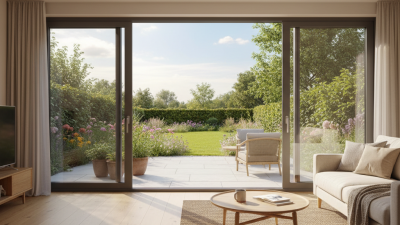
What Are the Best Outdoor Sliding Doors from China?
Choosing the best outdoor sliding doors from China requires more than comparing catalogue prices. The right choice balances thermal performance, weather resistance, security, and manufacturing consistency. Grand View Research identifies renovation, energy efficiency, and urban construction as major drivers in the global doors market. These trends are especially relevant for patios, balconies, and garden rooms exposed to changing weather.
Outdoor sliding doors should perform like a building component, not a decorative afterthought. Look for thermally broken aluminium frames, low-E insulated glass, stainless-steel rollers, and drainage channels that prevent trapped rainwater. In coastal areas, powder coating quality matters. Salt air can expose weak finishes quickly. Testing against recognised standards, such as air leakage, water penetration, and wind-load requirements, also helps buyers compare suppliers fairly. Chinese manufacturers may offer excellent engineering, but their quality levels are not identical.
Certification helps. It does not replace inspection.
Industry reports from Grand View Research, MarketsandMarkets, and Statista show continued demand for energy-efficient building products and modern residential upgrades. However, their market boundaries and methods differ. This limitation deserves attention. A report can describe market direction, but it cannot confirm one factory’s welding quality or packaging discipline. Buyers should request test reports, installation drawings, warranty terms, and recent project evidence. Check the corner joints closely. Ask how the doors behave after repeated opening, heavy rain, and temperature changes.
This guide examines what makes outdoor sliding doors from China genuinely reliable, including materials, glass specifications, hardware, customization, certifications, supplier audits, and total landed cost. The “best” door is rarely the cheapest one. Sometimes, a modestly priced system becomes expensive after adjustment problems begin.
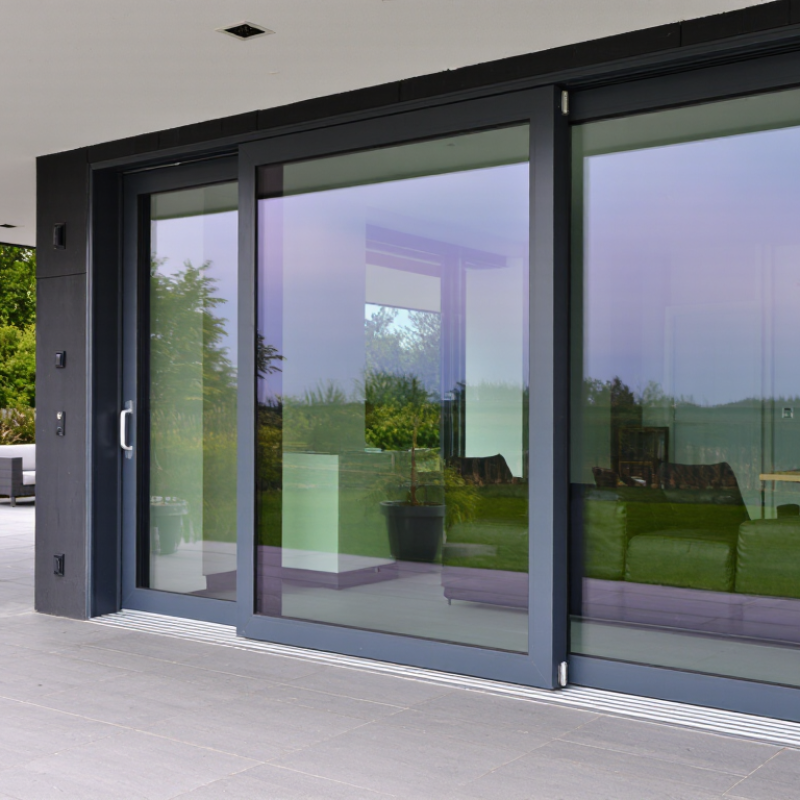
What Defines a High-Quality Outdoor Sliding Door?
When comparing outdoor sliding doors from China, quality begins with the frame, not its appearance. A durable system usually uses corrosion-resistant aluminum with a properly engineered thermal break. This helps reduce heat transfer between indoor and outdoor surfaces. The frame should feel rigid, even across wide openings.
The rollers deserve close inspection. They should move smoothly under the door’s full weight, without grinding or noticeable vibration. Stainless steel or reinforced components can improve service life. Good drainage is equally important. Water should leave through designed channels instead of collecting inside the lower track. Small details matter.
Glass performance also defines a high-quality outdoor sliding door. Double glazing, low-emissivity coatings, and suitable safety glass can improve comfort and protection. Ask for documented air, water, and wind-load testing. Factory quality records are more reliable than polished photographs. Installation matters just as much. A well-made door can still leak if the opening is poorly measured or the sill is not level.
I have seen attractive doors fail because their tracks trapped leaves after one rainy season. That experience changed how I assess them. Easy cleaning should be part of the design. A removable screen, accessible rollers, and replaceable seals are practical advantages. No system is perfect. Even premium hardware needs adjustment over time. A careful supplier should explain maintenance, tolerances, test results, and warranty terms clearly.
Which Materials and Glass Options Suit Outdoor Use?
Outdoor sliding doors from China can perform well outdoors when their materials match the local climate. Powder-coated aluminum is a practical choice for most patios. It resists moisture, insects, and daily temperature changes. Look for reinforced profiles with thermal breaks in colder regions. These reduce heat transfer through the frame. Stainless steel rollers also matter. They should move smoothly without grinding or wobbling.
Glass selection affects comfort, safety, and energy use. Tempered glass is suitable for many outdoor openings because it resists impact better than ordinary glass. Laminated glass adds another layer of protection and can reduce sound from traffic or wind. Low-E insulated glass helps control indoor heat during sunny afternoons. In coastal areas, ask for corrosion-resistant spacers and sealed insulating units. Poor sealing can create fog between panes. That problem is expensive to repair.
Track design deserves equal attention. A slightly raised sill may improve drainage, but it can create a tripping edge. Flush tracks look cleaner, yet they need careful water management. Ask the supplier for air, water, and structural test data. Check hardware cycles, glass specifications, coating thickness, and installation details. Factory photos are useful, but they are not proof of performance. I have seen attractive doors fail because installers ignored the slope outside the threshold. A better choice considers the whole opening, not only the frame.
How Do Chinese Manufacturers Compare in Design and Performance?
Chinese outdoor sliding doors now compete through design flexibility, thermal engineering, and factory testing. Manufacturers commonly offer slim aluminum frames, large glass panels, concealed drainage, and lift-and-slide hardware. These features suit modern villas, balconies, and coastal projects. However, attractive detailing does not guarantee dependable performance.
The U.S. Department of Energy estimates that windows and doors can account for 25–30% of residential heating and cooling energy use. That makes glass selection and frame insulation important. Ask for tested U-values, solar heat gain coefficients, air leakage, and water penetration results. Chinese factories with thermal breaks, multi-point locks, and low-emissivity glazing can perform strongly. Their advantage is often customization at competitive production volumes. Still, test documents may cover only one configuration. That is a practical weakness worth checking.
Tips: Request a complete performance report for the exact door size, glass package, and hardware. Verify testing against recognized ASTM, EN, or local standards. Inspect sample corners, seals, rollers, and drainage channels. The International Energy Agency reports that buildings consume about 30% of global final energy, so energy performance deserves more attention than appearance alone. Leave room for skepticism. A beautiful showroom sample may hide installation problems, weak adjustment systems, or inconsistent quality between batches. On-site supervision and pre-shipment inspection remain valuable.
What Features Improve Weather Resistance, Security, and Operation?
The best outdoor sliding doors from China are built around local weather demands, not appearance alone. In my experience, thermally broken aluminum frames reduce heat transfer during hot summers and cold winters. Powder-coated finishes also resist moisture, ultraviolet exposure, and surface fading. Coastal projects need stronger corrosion protection, especially around exposed hardware.
Weather resistance starts with continuous EPDM seals and sloped drainage channels. These details help move rainwater away from the threshold. Low-e laminated glass can improve insulation, reduce noise, and provide safer breakage performance. However, no sliding door is maintenance-free. Blocked drainage holes can still cause leaks after heavy rain.
Security depends on more than a strong frame. Multi-point locks, reinforced keepers, and laminated glass make forced entry more difficult. Stainless steel rollers support smoother movement, while adjustable hardware helps correct minor installation changes. Large panels should glide quietly with one hand. That sounds simple.
Before purchasing, request air, water, wind-load, and cycle-test records for the actual configuration. Check the glass thickness, frame depth, lock material, and drainage design. A test report is useful, but it cannot replace a careful site inspection. Poor alignment can create friction, gaps, and premature seal wear. Installers should also confirm threshold height, floor level, and local wind conditions. Even well-made doors may perform poorly when fitted carelessly.
How Should Buyers Evaluate Suppliers, Costs, and Installation Support?
Choosing the best outdoor sliding doors from China requires more than comparing catalogue prices. A reliable supplier should provide tested U-values, air leakage, water penetration, and structural performance. These figures should match recognized standards, not vague claims such as “high quality.” The U.S. Department of Energy reports that windows can cause 25%–30% of residential heating and cooling energy use. Therefore, thermal breaks, low-emissivity glass, tight seals, and accurate frame tolerances deserve serious attention.
Request a complete landed-cost quotation. It should include packaging, inland transport, ocean freight, customs charges, taxes, installation hardware, and replacement parts. Ask for production samples, factory inspection records, and recent test reports. A low quotation may hide weak rollers or poor drainage. It happens. The 2023 International Energy Agency Global Status Report for Buildings also highlights the growing importance of building energy efficiency, making thermal performance a practical investment rather than decoration.
Installation support can separate a capable supplier from a difficult one. Look for signed shop drawings, opening-size requirements, anchor details, drainage instructions, and video guidance. Confirm who handles damaged glass or missing hardware. Suppliers should explain installation tolerances clearly and offer responsive technical support across time zones. Buyers should also verify project references and inspect one completed installation when possible. My own checklist would not stop there; site conditions, wind exposure, coastal corrosion, and local installer skill can still change the final result.