What Is the Best Mild Hyperbaric Chamber in China?

Choosing the best Mild Hyperbaric Chamber in China requires more than comparing prices, appearance, or promotional promises. A reliable decision should consider chamber pressure, construction quality, oxygen delivery, user training, maintenance, and medical oversight. Mild chambers commonly operate at lower pressures than hospital-grade hyperbaric systems. They should not be presented as replacements for clinically supervised hyperbaric oxygen therapy.

Dr. Scott Sherr, a physician and hyperbaric medicine educator, offers a useful principle: “Safety, supervision, and appropriate patient selection matter more than impressive marketing.” That idea deserves attention. A polished chamber may still have weak documentation or poor after-sales support. Look for clear pressure specifications, emergency-release features, pressure monitoring, fire-safety guidance, and traceable manufacturing records. Ask whether the supplier provides installation support and practical user training.

China has experienced manufacturers, but quality is not uniform. Some companies provide detailed testing reports and responsive technical service. Others rely heavily on vague wellness language. That difference matters.

Small details reveal a supplier’s seriousness. Can the seller explain cleaning procedures? Is the oxygen source clearly specified? Are replacement parts available? Are safety instructions written in understandable English?

The “best” Mild Hyperbaric Chamber may not be the most powerful or expensive model. It may be the one with transparent specifications, dependable support, and realistic claims. Even this approach has limits. Independent verification can be difficult, and product information may change. Careful buyers should consult qualified medical professionals and confirm current regulatory requirements before purchase or use.
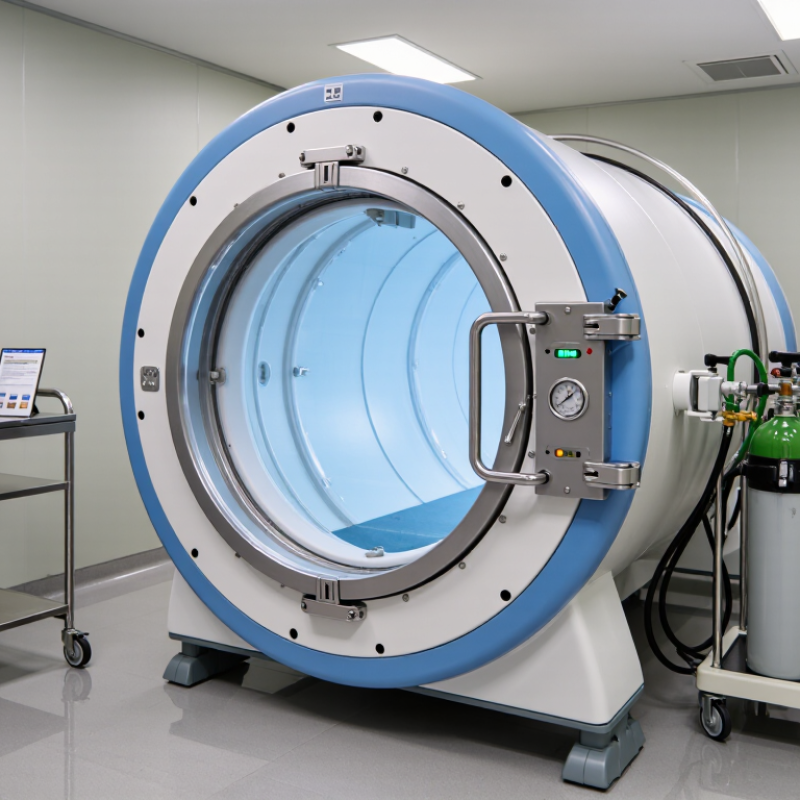
What Is the Best Mild Hyperbaric Chamber in China?

What Is a Mild Hyperbaric Chamber?

What Is the Best Mild Hyperbaric Chamber in China?

What Is a Mild Hyperbaric Chamber?

A mild hyperbaric chamber is a pressurized enclosure that raises ambient pressure slightly above normal sea-level pressure. Most systems operate around 1.3 to 1.5 ATA, although definitions differ across manufacturers and clinics. Many provide normal air rather than medical-grade oxygen. This distinction matters.

The Undersea and Hyperbaric Medical Society describes clinical hyperbaric oxygen therapy as treatment delivered at higher pressures with oxygen near 100%. Therefore, mild systems should not be presented as equivalent medical treatment. A 2023 FDA safety communication also warned users about fire risks, oxygen exposure, and inadequate supervision. Pressure comfort varies too. Ear pain, sinus pressure, or anxiety can appear within minutes. I have found that attractive specifications can hide ordinary problems, such as noisy compressors or poor emergency access.

Tips: Ask for verified pressure ranges, oxygen concentration, ventilation details, emergency-release design, and cleaning procedures. For use in China, check applicable NMPA registration information and service records. A chamber should include clear operating instructions and trained support. Do not rely only on market-size reports or online reviews. Those sources often measure sales, not clinical value.

The “best” chamber depends on purpose, user condition, room size, and after-sales support. A quieter model may improve adherence. A lower-cost model may create maintenance compromises. That is an uncomfortable trade-off, but it deserves honest attention.

How Mild Hyperbaric Chambers Work in China

In China, mild hyperbaric chambers usually operate around 1.3 to 1.5 ATA, above normal sea-level pressure. Users breathe air or oxygen-enriched air, depending on the equipment. At 1.3 ATA, the pressure increases gently, like descending several metres underwater. Ears may feel blocked. Swallowing often helps.

The Undersea and Hyperbaric Medical Society generally defines clinical hyperbaric oxygen therapy at 1.4 ATA or higher, with near-pure oxygen. This distinction matters. Mild chambers should not borrow clinical claims without strong evidence. The U.S. FDA also warns that oxygen-rich environments increase fire risk, requiring careful material control, grounding, ventilation, and trained supervision. In China, buyers should check National Medical Products Administration registration, electrical safety documentation, pressure-test records, and maintenance logs. A clear emergency-release handle matters more than glossy specifications.

From practical evaluation, chamber stability is easy to overlook. A pressure gauge should remain steady while a user reads, rests, or speaks. Noise also matters; a loud compressor can make a thirty-minute session unpleasant. Room-air systems may feel less intense than oxygen systems. That is not automatically a defect.

Research on mild hyperbaric use remains uneven, and some marketing language is stronger than the data. I would record pressure, oxygen concentration, temperature, and user symptoms during every session. Small records expose large problems.

Key Features of the Best Mild Hyperbaric Chambers

What Is the Best Mild Hyperbaric Chamber in China?

The best mild hyperbaric chamber should balance pressure control, safety, comfort, and service support. Most mild systems operate around 1.3–1.5 ATA, below many clinical hyperbaric protocols. The Undersea and Hyperbaric Medical Society notes that clinical HBOT usually involves at least 1.4 ATA with near-pure oxygen. Therefore, buyers should not confuse wellness equipment with hospital-grade treatment systems.

Key features matter more than appearance.

A reliable chamber needs a calibrated pressure gauge, automatic pressure regulation, visible oxygen monitoring, and an emergency exhaust valve. A wide entry opening helps users enter without awkward movement. Clear viewing panels can reduce anxiety. Flame-resistant materials are essential, especially when supplemental oxygen is used. The U.S. FDA has repeatedly highlighted fire risk, oxygen exposure, maintenance, and operator training in its safety communications. Small details matter.

Certification and after-sales support deserve equal attention.

Ask for test records, electrical safety documents, cleaning procedures, and scheduled maintenance intervals. China’s medical-device requirements may differ according to intended use and classification, so documentation should match the seller’s claims. Grand View Research reported continued global growth in hyperbaric oxygen equipment demand, with the market projected to expand through 2030. That growth can encourage better engineering, but it can also produce exaggerated promises. I would question any supplier promising universal health benefits. No chamber is perfect. My own checklist would include noise level, pressure stability, emergency response time, and technician availability—not just the lowest price.

Safety Standards and User Requirements

What Is the Best Mild Hyperbaric Chamber in China?

The best mild hyperbaric chamber is not simply the one with the highest pressure. Safety standards and user requirements should guide the decision. Buyers should request a clear pressure rating, manufacturing records, leak-test results, and an operating manual in understandable language. The chamber should include reliable pressure monitoring, an emergency pressure-release system, fire-resistant materials, and stable electrical protection. These details matter more than polished advertising.

User needs also shape the correct choice. A first-time user may need a wide entrance, simple controls, strong ventilation, and continuous communication with an attendant. Someone with limited movement may require accessible positioning and quick emergency assistance. The room should remain clean, dry, and free from loose fabrics or electronic items that increase risk. A qualified healthcare professional should review medical history before use, especially for ear, lung, heart, or pressure-related conditions.

Do not trust dramatic promises.

During equipment checks, I would test the zipper, alarm, pressure display, and emergency valve before operation. I would also ask who performs maintenance and how often inspections occur. Some specifications can look impressive but remain unclear in practice. That is a weakness worth admitting. A safer purchasing decision combines documented compliance, trained supervision, user comfort, and realistic expectations about possible benefits.

What Is the Best Mild Hyperbaric Chamber in China? - Safety Standards and User Requirements

Evaluation Dimension Recommended Requirement for a Mild Chamber Why It Matters User Verification Point
Operating Pressure Approximately 1.3 ATA or below for mild hyperbaric use, unless a qualified medical professional specifies otherwise. Pressure level affects oxygen exposure, ear and sinus stress, equipment design, and regulatory classification. Check the maximum working pressure, pressure gauge accuracy, pressure-relief system, and written operating limits.
Pressure Control Controlled pressurization and decompression with an easily readable gauge and an independent relief mechanism. Gradual pressure changes help reduce discomfort and lower the risk of pressure-related injury. Confirm that the user can stop or reduce pressure immediately and that emergency venting is available.
Oxygen Delivery Clearly defined oxygen source, flow rate, concentration range, tubing connection, and operating instructions. Oxygen concentration and delivery method influence fire risk, ventilation needs, and the intended use of the chamber. Ask for oxygen concentration test records, alarm settings, filter replacement intervals, and ventilation instructions.
Fire and Ignition Safety No smoking, flames, sparks, heating devices, petroleum-based products, or unauthorized electrical equipment inside or near the chamber. Oxygen-enriched environments can make materials ignite more easily and burn more intensely. Look for a written fire-risk assessment, material compatibility information, grounding instructions, and emergency procedures.
Materials and Construction Pressure-rated materials, transparent viewing areas where applicable, secure closures, durable seals, and documented cleaning compatibility. The enclosure must withstand repeated pressure cycles without unacceptable leakage, deformation, or material deterioration. Review pressure-cycle testing, leak-test procedures, material specifications, and maintenance records.
Electrical Safety Electrical components should be suitable for the environment and evaluated against applicable electrical-safety requirements. Faulty wiring, incompatible equipment, or poor grounding can create shock, spark, and fire hazards. Request electrical inspection reports, grounding details, overload protection, and instructions for permitted accessories.
Emergency Egress The user must be able to communicate with the operator and exit or be depressurized promptly during an emergency. Loss of communication, power, ventilation, or pressure control can become hazardous if the user cannot obtain assistance. Test the intercom or communication method, internal release mechanism, emergency valve, and backup power where provided.
User Screening Medical screening should be completed before use, especially for untreated pneumothorax, serious lung disease, certain ear or sinus conditions, and other relevant risks. Hyperbaric exposure may affect the lungs, ears, sinuses, and certain medical conditions. Use a health questionnaire and obtain professional medical advice when the user has a chronic condition, is pregnant, or takes prescription medication.
Ear and Sinus Equalization The operating procedure should teach swallowing, yawning, or other appropriate equalization techniques during compression. Failure to equalize pressure may cause ear or sinus pain and, in some cases, barotrauma. Stop compression if pain occurs and follow the operator’s decompression and medical-escalation procedure.
Monitoring and Alarms Continuous monitoring of chamber pressure, oxygen-related parameters where applicable, temperature, ventilation, and alarm status. Monitoring helps detect abnormal operating conditions before they become serious. Verify alarm audibility, alarm reset procedures, sensor calibration intervals, and operator response instructions.
Cleaning and Infection Control Smooth, cleanable surfaces and disinfectants that are compatible with chamber materials and oxygen-use restrictions. Shared equipment can transmit microorganisms, while unsuitable chemicals may damage materials or increase fire risk. Check the cleaning schedule, approved disinfectants, ventilation time, and procedures for bodily-fluid contamination.
Documentation and Traceability Complete technical file, user manual in Chinese or the user’s working language, maintenance log, risk assessment, and test records. Traceable documentation supports safe operation, training, maintenance, and regulatory review. Confirm model identification, serial-number records, inspection dates, spare-parts information, and authorized service procedures.
Relevant Standards Framework Consider applicable Chinese regulations and standards together with recognized frameworks such as ISO 14971 for medical-device risk management, ISO 13485 for quality management, and IEC 60601-1 where applicable. Standards address different aspects of safety; certification to one standard does not automatically prove suitability for every use. Verify the exact scope, certificate holder, tested model, certification date, and whether the documents apply to the intended Chinese market and use case.
Best-Fit Selection The best chamber is the one whose pressure range, oxygen system, safety controls, documentation, service support, and intended-use claims match the user and operating environment. A higher pressure rating or more features do not necessarily mean greater suitability or safety. Compare verified safety evidence and total operating requirements rather than relying only on price, appearance, or marketing claims.

Note: Mild hyperbaric chambers are not interchangeable with hospital hyperbaric oxygen systems. Product classification, registration, installation, and operation requirements in China depend on the equipment design, oxygen-delivery method, intended use, and applicable local regulations. This table is a purchasing and safety-screening framework, not a substitute for regulatory or medical advice.

How to Choose the Right Chamber in China

Choosing the right mild hyperbaric chamber in China requires more than comparing prices or appearance. Start with the intended use: home wellness, clinic support, or supervised rehabilitation. Ask for verified pressure specifications, chamber materials, oxygen concentration, and operating instructions in clear English or Chinese. A transparent manufacturer should provide testing records and explain which standards apply to the product.

Safety details deserve close attention. Check the emergency release, pressure monitoring, ventilation, fire-resistant materials, and electrical protection. The chamber should allow easy communication between the user and operator. A trained professional should explain equalization, session length, cleaning, and possible discomfort. Medical conditions, pregnancy, ear problems, and lung disorders may require medical advice before use. Mild pressure does not make every session risk-free.

After-sales support can decide whether a chamber remains useful after installation. Confirm spare-part availability, maintenance intervals, installation training, and response times. Request a live demonstration, not only polished photographs. Ask how leaks are tested and how faults are recorded. Some buyers focus too heavily on maximum pressure; I think comfort and monitoring often matter more. My own selection checklist would still need revision after seeing long-term service data. Cheap equipment may appear practical, yet weak support can create expensive delays. Choose documentation over confident promises.

What Is the Best Mild Hyperbaric Chamber in China?

The best chamber is the one that combines verified safety controls, stable pressure management, suitable oxygen delivery, and dependable after-sales maintenance. The chart presents a practical procurement weighting for comparing non-branded chamber options in China.

These percentages are an evaluation framework rather than manufacturer claims. Before purchase, confirm applicable Chinese medical-device requirements, pressure limits, oxygen monitoring, emergency procedures, installation conditions, operator training, and maintenance support.