What is the Best Material for Deck Doors?
Choosing the right material for deck doors is crucial for both aesthetics and functionality. Mark Thompson, a leading expert in outdoor construction, states, “High-quality materials not only last longer but also enhance the overall look of your deck.” This insight emphasizes the importance of selecting the best options.
Deck doors must withstand diverse weather conditions. Wood offers a warm, natural feel, but it requires maintenance. On the other hand, composite materials are durable and low-maintenance but can lack the charm of wood. It’s a hard choice; each material has its merits and drawbacks. The ideal material often depends on personal preference and the specific environment.
Some homeowners overlook the long-term implications of their choices. They may choose a material based on initial cost rather than longevity. This approach can lead to dissatisfaction down the road. Reflecting on the material’s lifespan is essential. Consider the type of use the deck will experience. Will it be exposed to sun and rain? Each detail matters when deciding on the best materials for deck doors.
Understanding Deck Door Materials: An Overview
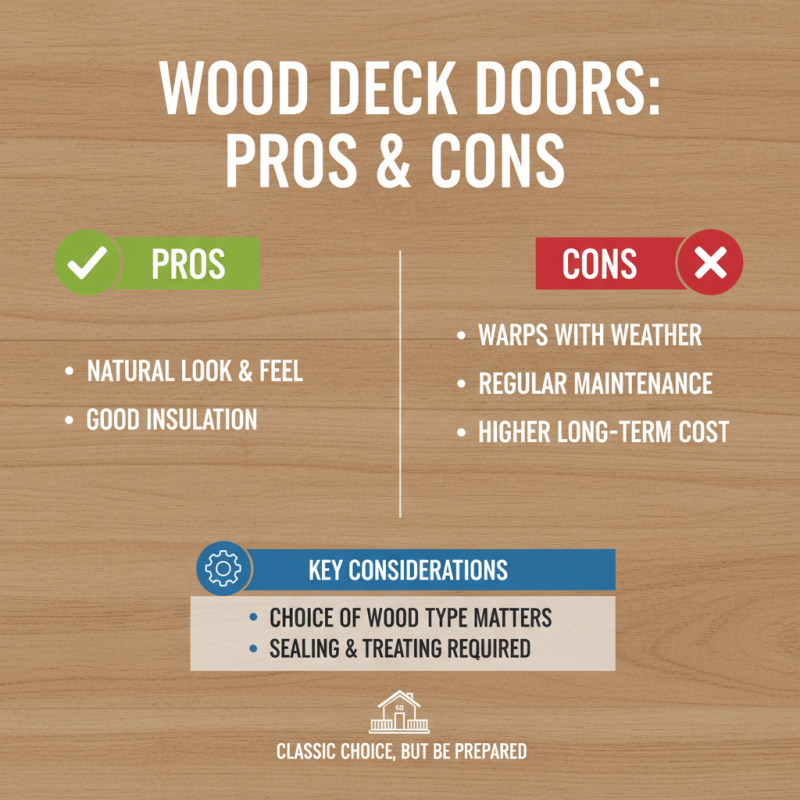
When choosing deck door materials, there are several options to consider. Wood is a classic choice. It offers a natural look and great insulation. However, it can warp with weather changes and needs regular maintenance. Choosing the right type of wood is crucial, and this can add to the long-term cost.
Vinyl is another popular alternative. It is lightweight and resistant to fading and dents. This material often requires little upkeep. Yet, it may not provide the same aesthetic appeal as wood. It's also essential to consider its environmental impact.
Metal doors, such as aluminum, are strong and durable. They withstand extreme weather conditions and rarely require repairs. But they can get hot in the sun and may not provide the best insulation. Each material has its pros and cons, requiring careful thought before making a decision.
Common Materials Used for Deck Doors
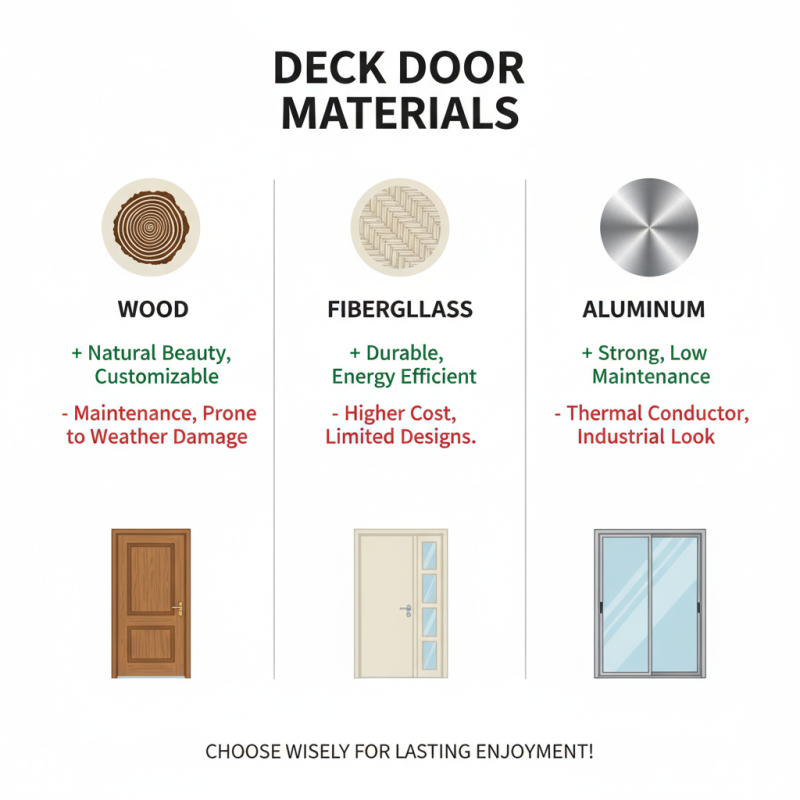
When choosing deck doors, material matters significantly. Common options include wood, fiberglass, and aluminum. Each material has unique benefits and drawbacks.
Wood doors offer natural beauty and a classic look, but they require regular maintenance. According to the American Wood Council, untreated wood can suffer from rot and insect damage. This might lead to replacement costs you didn’t anticipate.
Fiberglass doors are durable and energy-efficient. They resist warping and are more affordable in the long run. A report from the Department of Energy states that fiberglass doors can save homeowners about 10-20% on energy bills. However, some may find them less visually appealing than wood.
Aluminum doors are lightweight and strong. They withstand harsh weather without rusting. Unfortunately, they can be prone to dents and may not provide the same insulation as other materials. Balancing aesthetics, durability, and cost is crucial when selecting the best material for your deck doors.
Pros and Cons of Different Deck Door Materials
When choosing materials for deck doors, several options come into play. Wood, for example, offers a classic aesthetic and natural charm. However, it requires regular maintenance and is susceptible to rot. Reports indicate that wooden doors may last around 10-15 years if well cared for. This upkeep can be time-consuming and costly.
Metal doors, often made from aluminum or steel, present a different set of advantages and disadvantages. They are durable and resistant to warping. Yet, they may not provide the same visual appeal as wood. Insulation properties might also lag behind other materials, leading to temperature fluctuations inside the home. Approximately 60% of homeowners reported dissatisfaction with cold drafts during winter months with metal options.
Vinyl doors are another increasingly popular choice. They promise good insulation and low maintenance. Unfortunately, they can be prone to fading and cracking over time. In fact, studies show that 40% of vinyl doors will show signs of wear within a decade. Each material has its unique strengths and weaknesses, making the decision about deck doors a complex one.
What is the Best Material for Deck Doors? - Pros and Cons of Different Deck Door Materials
| Material |
Pros |
Cons |
| Wood |
Natural beauty, good insulation, can be stained/painted. |
Requires maintenance, susceptible to rot and insect damage. |
| Vinyl |
Low maintenance, affordable, resistant to moisture and insects. |
Limited style options, can fade over time. |
| Fiberglass |
Very durable, energy efficient, low maintenance. |
Higher initial cost, may not match traditional aesthetics. |
| Aluminum |
Strong, lightweight, weather resistant. |
Can be noisy in rain/wind, may dent or scratch. |
| Composite |
Low maintenance, fade resistant, looks like wood. |
Can be expensive, susceptible to scratching. |
Factors to Consider When Choosing Deck Door Materials
Choosing the right material for deck doors is crucial. Various factors come into play when making this decision. Weather resistance is one of the most important considerations. Doors need to withstand rain, snow, and sunlight without warping. Wood may look beautiful, but it can rot over time. Metal provides durability but can become hot under the sun.
Another factor is insulation. The door should help regulate your home's temperature. Vinyl and fiberglass are often better insulators compared to other materials. They resist fading and won’t crack easily. However, both can be less stylish than wood or metal. Select a material that complements the overall look of your home.
Cost is also a significant element. While some materials are less expensive upfront, they might require more maintenance. Wooden doors may need frequent staining or sealing. On the other hand, metal doors can be pricier but may offer a longer lifespan. Think about your budget and how much you are willing to invest initially versus in the long run. It's worth contemplating all these factors carefully before making a choice.
Material Strength Comparison for Deck Doors
Maintenance and Durability of Deck Door Materials
When selecting materials for deck doors, maintenance and durability play crucial roles.
Wood doors offer a classic aesthetic but require regular upkeep.
They need resealing and painting every few years to prevent rot and warping.
According to a recent report, untreated wood can lose up to 70% of its strength in extreme weather conditions.
Therefore, neglecting maintenance can lead to costly replacements.
On the other hand, composite materials have gained popularity for their durability.
They are resistant to fading and splitting, making them a long-term investment.
Some studies suggest that composite doors can last up to 50 years without significant degradation.
However, they can still accumulate dirt and grime, necessitating occasional cleaning.
The ease of maintenance may be appealing, but neglect can cause mold growth over time.
Aluminum doors are another option.
They are lightweight and resistant to corrosion.
However, they may dent easily and show scratches more prominently.
Their lifespan averages around 30 years, but refinishing may be required earlier than expected.
Homeowners often overlook this necessity, leading to premature aging of the doors.
Ultimately, the choice of material should align with individual maintenance preferences and desired longevity.